

Introduction
Flags are powerful symbols that represent a country’s identity, culture, and history. The irish country flags are especially meaningful because they reflect Ireland’s long journey toward unity, independence, and national pride. These flags are not just pieces of cloth; they tell a story of heritage, struggle, and hope for peace.
Many people around the world recognize Ireland’s famous tricolor flag, but few know the deeper meaning behind its colors and design. Understanding irish country flags helps people learn more about Irish culture, history, and national values. In this guide, you will discover the history, symbolism, and interesting facts about the flag of Ireland.
H2: What Are Irish Country Flags?
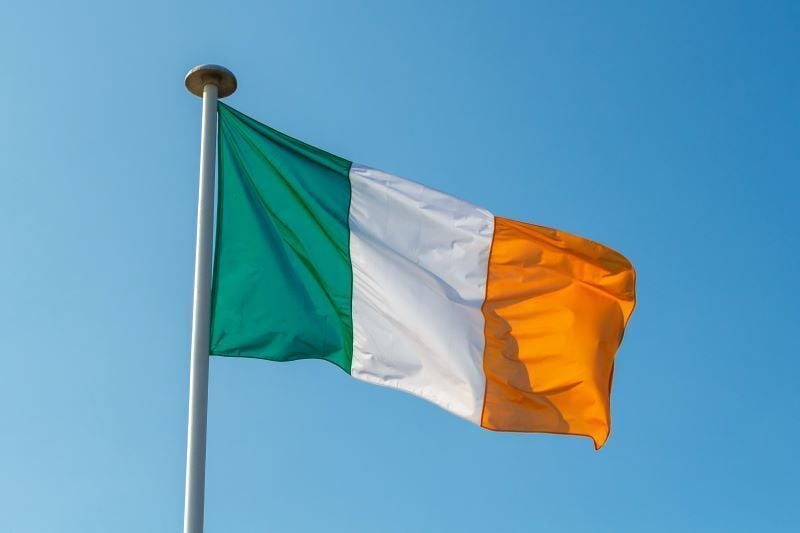
The term irish country flags usually refers to the national flag of Ireland. This flag is a vertical tricolor made up of three equal stripes: green, white, and orange.
Each color represents an important part of Irish society:
- Green – Represents Irish Catholics and traditional Irish nationalism.
- White – Symbolizes peace and unity between communities.
- Orange – Represents Irish Protestants and supporters of William of Orange.
Together, these colors represent harmony between different cultural and religious groups in Ireland.
H2: The History of the Irish Flag
H3: Origins of the Tricolor
The modern Irish flag first appeared in 1848 during a period of political revolution in Europe. It was introduced by Irish nationalist Thomas Francis Meagher, who was inspired by the French tricolor flag.
He explained that the white stripe between green and orange symbolized peace between the two traditions in Ireland.
H3: Adoption as National Flag
Although the flag was first introduced in 1848, it became widely recognized during the Easter Rising of 1916, when Irish rebels used it as a symbol of independence.
Later, when Ireland gained independence from Britain in 1922, the tricolor officially became the national flag of the country.
H2: Symbolism Behind Irish Country Flags
One reason why irish country flags are admired worldwide is their strong symbolism.
Green – Irish Tradition
Green has long been associated with Irish culture, landscapes, and nationalism. It also represents the Gaelic tradition and Irish heritage.
White – Peace and Unity
The white stripe in the center represents the hope for lasting peace between different communities in Ireland.
Orange – Protestant Heritage
Orange represents followers of William of Orange and the Protestant tradition in Ireland.
Together, the three colors highlight the importance of unity and respect among different cultures.
H2: Difference Between Ireland and Northern Ireland Flags
Many people confuse the flags used in Ireland and Northern Ireland.
Republic of Ireland Flag
The Republic of Ireland uses the famous green, white, and orange tricolor.
Northern Ireland Flag
Northern Ireland does not have an official independent national flag. However, some groups historically used the Ulster Banner, which includes a red hand symbol.
This difference reflects the political and historical divisions between the two regions.
H2: Interesting Facts About Irish Country Flags
Here are some fascinating facts about irish country flags that many people do not know:
- The Irish flag must always be displayed with the green stripe on the left side when facing the flag.
- The tricolor represents peace between Catholic and Protestant communities.
- The flag became globally recognized after the 1916 Easter Rising.
- Irish citizens proudly display the flag on national celebrations like St. Patrick’s Day.
- The Irish flag is one of the most recognizable national flags in the world.
H2: When the Irish Flag Is Used
The Irish national flag is used on many official and cultural occasions.
Government Buildings
Government offices and public buildings fly the Irish flag to represent the state.
National Celebrations
During events such as St. Patrick’s Day, the flag is proudly displayed in Ireland and by Irish communities worldwide.
International Events
Athletes representing Ireland in global competitions also use the national flag.
H2: Cultural Importance of Irish Country Flags
The irish country flags are not only political symbols but also cultural icons. They represent the resilience of Irish people and their long struggle for independence.
For many Irish citizens, the flag symbolizes:
- National pride
- Cultural identity
- Unity among communities
- Historical remembrance
Because of these meanings, the flag holds a special place in Irish society.
Conclusion
The story of irish country flags is deeply connected to the history and identity of Ireland. The green, white, and orange tricolor is more than just a national symbol—it represents unity, peace, and respect between different traditions.
From its origins in the 19th century to its role in modern national celebrations, the Irish flag continues to inspire pride among Irish people across the world. Understanding the meaning behind this flag helps us appreciate Ireland’s cultural heritage and the message of peace it represents.
In today’s world, where national identity remains important, irish country flags stand as a reminder that unity and cooperation can overcome historical divisions.
FAQs
What do the colors of the Irish flag mean?
The green represents Irish nationalists, the orange represents Protestants, and the white symbolizes peace between the two communities.
When was the Irish flag first introduced?
The Irish tricolor was first introduced in 1848 by nationalist leader Thomas Francis Meagher.
Is the Irish flag the same as Northern Ireland’s flag?
No. The Republic of Ireland uses the green, white, and orange tricolor, while Northern Ireland historically used the Ulster Banner.
Why is the Irish flag important?
The flag represents Irish identity, independence, unity, and peace between different cultural traditions.
When is the Irish flag most commonly displayed?
The Irish flag is widely displayed during national events, government ceremonies, and global celebrations such as St. Patrick’s Day.







Leave a Reply