


Introduction
Styrofoam is everywhere in our daily life. From food boxes to packaging materials, it quietly supports modern convenience. Many people use it daily without knowing what it is made of, how it works, or how it affects the environment. Understanding styrofoam and its role in modern living helps us make smarter choices as consumers.
In this guide, we will explain Styrofoam in simple words. You will learn about its common uses, benefits, risks, and eco-friendly alternatives. This article is written for readers who want clear, useful, and trustworthy information that is easy to understand and helpful in real life.
What Is Styrofoam? (Simple Explanation)
Styrofoam is a type of plastic foam made from polystyrene. It is very light, strong, and good at keeping heat or cold inside. Because of these qualities, it is widely used in packaging, food containers, and building insulation.
Even though many people call all foam “Styrofoam,” the real brand name is owned by a company. Still, the word is commonly used to describe foam products used in daily life.
Styrofoam and Its Common Uses
Styrofoam is popular because it is cheap and effective. Below are the most common places where it is used.
Food and Beverage Packaging
- Takeaway food boxes
- Disposable cups and plates
- Meat and vegetable trays
Shipping and Packaging
- Protecting electronics
- Cushioning fragile items
- Insulated boxes for medicine
Construction and Insulation
- Wall and roof insulation
- Soundproofing materials
- Lightweight filler in roads
These uses explain why styrofoam and packaging industries are closely connected worldwide.
Benefits of Using Styrofoam
Styrofoam has several advantages that make it popular across industries.
Lightweight and Strong
It is easy to transport and reduces shipping costs while still protecting products.
Excellent Insulation
It keeps food hot or cold for longer, making it ideal for food delivery and storage.
Cost-Effective
It is cheaper to produce compared to many other materials.
Moisture Resistant
Water does not easily damage it, which helps in food safety and construction.
Environmental Impact of Styrofoam
Despite its benefits, Styrofoam also has serious environmental concerns.
Non-Biodegradable
Styrofoam can take hundreds of years to break down in nature.
Pollution Problem
It often ends up in oceans and harms wildlife that mistake it for food.
Recycling Challenges
Recycling is possible but limited because it is costly and not available everywhere.
This is why discussions about styrofoam and environmental responsibility are becoming more important every year.
Is Styrofoam Safe for Humans?
Many people worry about health risks. In normal use, food-grade is considered safe. However, heating food in containers can release chemicals, especially with oily or hot foods.
Safety tips:
- Do not microwave Styrofoam containers
- Avoid using it for very hot liquids
- Transfer food to glass or ceramic when possible
Eco-Friendly Alternatives to Styrofoam
As awareness grows, many businesses are switching to better options.
Paper-Based Packaging
- Biodegradable
- Recyclable
- Made from renewable resources
Plant-Based Materials
- Sugarcane (bagasse)
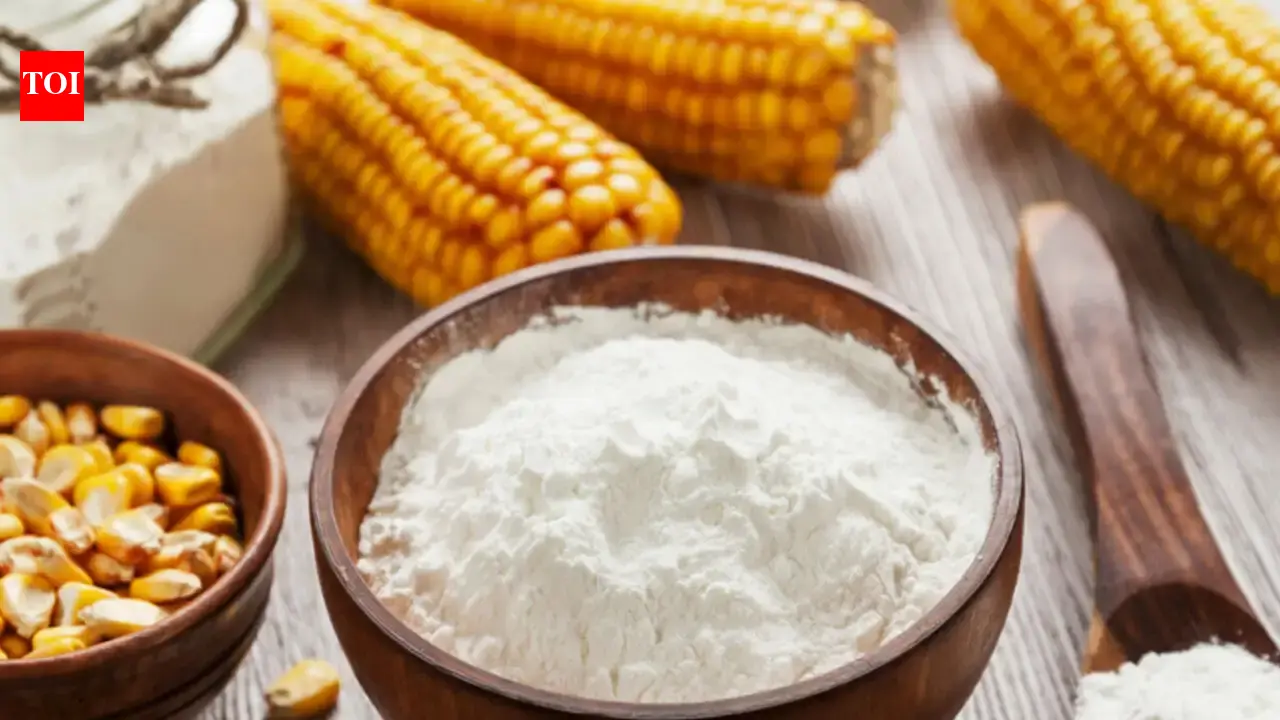
- Cornstarch containers
- Compostable and eco-friendly
Reusable Containers
- Glass
- Stainless steel
- Long-lasting and safe
Choosing alternatives helps reduce waste caused by and single-use culture.
How Consumers Can Reduce Styrofoam Use
Small actions can make a big difference.
- Carry reusable food containers
- Say no to disposable cups
- Support eco-friendly brands
- Recycle when facilities are available
These steps help protect the environment and encourage responsible production.
FAQs (Featured Snippet Friendly)
What is Styrofoam made of?
is made from polystyrene, a type of plastic derived from petroleum.
Can Styrofoam be recycled?
Yes, but recycling facilities are limited and not available in all areas.
Is Styrofoam bad for the environment?
Yes, it is non-biodegradable and can harm wildlife and ecosystems.
Are there safe alternatives to Styrofoam?
Yes, paper-based, plant-based, and reusable materials are safer options.
Why is Styrofoam still widely used?
It is cheap, lightweight, and effective for insulation and protection.
Conclusion
Styrofoam has played a major role in modern convenience. It protects products, keeps food fresh, and reduces costs for businesses. At the same time, it creates environmental challenges that cannot be ignored. Understanding styrofoam and its impact helps people make informed and responsible choices.
The future depends on balance. By using wisely, recycling when possible, and choosing eco-friendly alternatives, we can reduce harm while enjoying modern comforts. Small changes by individuals and businesses together can create a cleaner and healthier planet for everyone.











Leave a Reply