

Introduction
Building a powerful back is one of the most important goals in strength training. A strong back improves posture, increases pulling power, supports athletic performance, and helps reduce the risk of injuries. Among the many back exercises available, the pendlay row stands out as one of the most effective movements for developing strength and muscle.
Unlike traditional rowing exercises, this movement starts from the floor during every repetition. This unique technique removes momentum and forces your muscles to work harder. Whether you are a beginner or an experienced lifter, adding the pendlay row to your workout routine can deliver impressive results and help you achieve a balanced physique.
What Is a Pendlay Row?
The pendlay row is a barbell rowing exercise created by renowned weightlifting coach Glenn Pendlay. It is designed to build explosive pulling strength and increase muscle development in the upper and middle back.
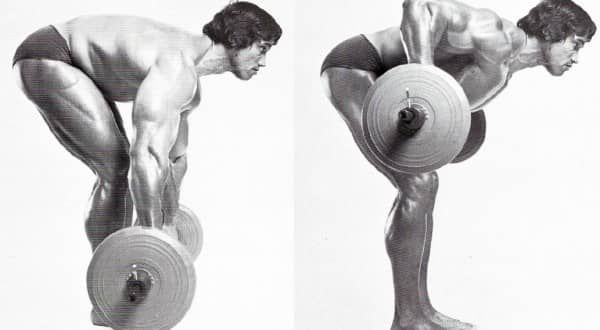
The exercise requires the lifter to keep their torso nearly parallel to the floor while pulling a barbell from the ground to the lower chest or upper abdomen. After each repetition, the bar returns completely to the floor before the next rep begins.
Key Characteristics
- Barbell starts from the floor
- Explosive upward movement
- Controlled lowering phase
- Flat back position
- No use of momentum
Muscles Worked During the Pendlay Row
One of the biggest advantages of this exercise is the number of muscles it targets.
Primary Muscles
Latissimus Dorsi (Lats)
These large back muscles create width and help produce a V-shaped physique.
Rhomboids
Located between the shoulder blades, rhomboids improve posture and upper back strength.
Trapezius
The traps support shoulder stability and assist in pulling movements.
Secondary Muscles
- Rear Deltoids
- Biceps
- Forearms
- Core Muscles
- Lower Back Stabilizers
Because multiple muscle groups work together, the pendlay row is considered a highly efficient compound exercise.
Benefits of the Pendlay Row
Builds Serious Back Strength
The exercise develops raw pulling power that carries over to many other lifts, including deadlifts and pull-ups.
Improves Athletic Performance
Athletes benefit from the explosive nature of the movement. The exercise helps improve power generation and coordination.
Enhances Posture
A stronger upper back can help counteract poor posture caused by long hours of sitting or computer work.
Increases Muscle Growth
Since many muscles are activated simultaneously, the exercise stimulates significant muscle development.
Reduces Momentum Cheating
Because the bar rests on the floor after every repetition, it becomes harder to use momentum and easier to maintain proper form.
How to Perform the Pendlay Row Correctly
Following proper technique is essential for maximizing results and avoiding injuries.
Step 1: Set Up the Barbell
Place a loaded barbell on the floor. Stand with your feet about shoulder-width apart.
Step 2: Bend at the Hips
Push your hips backward while keeping your spine neutral. Your torso should be nearly parallel to the ground.
Step 3: Grip the Bar
Use an overhand grip slightly wider than shoulder width.
Step 4: Brace Your Core
Tighten your abdominal muscles and keep your chest up.
Step 5: Pull Explosively
Pull the bar toward your lower chest while squeezing your shoulder blades together.
Step 6: Lower the Bar
Return the barbell to the floor under control.
Step 7: Reset and Repeat
Pause briefly before beginning the next repetition.
Common Mistakes to Avoid
Even experienced lifters can make errors that reduce effectiveness.
Raising the Torso Too High
Your upper body should remain close to parallel with the floor.
Using Excessive Weight
Heavy weights often lead to poor form and reduced muscle activation.
Rounding the Lower Back
Always maintain a neutral spine position to protect your back.
Bouncing the Bar
Each repetition should begin from a dead stop on the floor.
Pulling With the Arms Only
Focus on engaging your back muscles throughout the movement.
Pendlay Row vs Barbell Row
Many people confuse these two exercises, but there are important differences.
| Feature | Pendlay Row | Traditional Barbell Row |
| Starting Position | Floor | Hanging Position |
| Torso Angle | Nearly Parallel | Slightly Upright |
| Momentum | Minimal | More Momentum |
| Strength Focus | Explosive Power | Continuous Tension |
| Difficulty | Higher | Moderate |
Both exercises are effective, but the pendlay row is often preferred for developing explosive strength and technical precision.
Who Should Do Pendlay Rows?
Beginners
New lifters can learn proper rowing mechanics and improve overall strength.
Bodybuilders
The movement helps build thickness and density in the upper back.
Powerlifters
Strong back muscles support major lifts like squats and deadlifts.
Athletes
Sports performance can improve through increased power and pulling strength.
Best Training Tips
Focus on Form First
Perfect technique should always come before adding weight.
Use Progressive Overload
Gradually increase weight or repetitions over time.
Train Consistently
Include rows in your weekly training routine for optimal results.
Pair With Complementary Exercises
Combine with:
- Deadlifts
- Pull-Ups
- Lat Pulldowns
- Face Pulls
- Seated Cable Rows
Sample Pendlay Row Workout
Back Strength Routine
- Pendlay Rows – 4 Sets x 6 Reps
- Pull-Ups – 4 Sets x 8 Reps
- Lat Pulldowns – 3 Sets x 10 Reps
- Face Pulls – 3 Sets x 15 Reps
- Dumbbell Shrugs – 3 Sets x 12 Reps
This combination targets the entire back while promoting balanced muscle development.
Why Fitness Experts Recommend Pendlay Rows
Many coaches and strength professionals consider this exercise one of the best back-building movements available. It encourages proper lifting mechanics, develops explosive power, and strengthens key muscles responsible for athletic performance.
Additionally, the exercise teaches discipline because every repetition starts from a complete stop. This makes it easier to measure progress and maintain consistency in training.
Conclusion
The pendlay row is one of the most effective exercises for building a stronger, thicker, and more powerful back. Its unique dead-stop style increases muscle activation while reducing the opportunity to cheat with momentum. Whether your goal is strength, muscle growth, or improved athletic performance, this exercise deserves a place in your workout program.
By focusing on proper technique, progressive overload, and consistent training, you can unlock the full benefits of the pendlay row. Combined with a balanced fitness routine, it can help you achieve long-term strength gains and a more impressive physique.
Frequently Asked Questions
Is the Pendlay Row better than the barbell row?
Both are effective, but the Pendlay Row emphasizes explosive strength and stricter form because each repetition starts from the floor.
How often should I perform Pendlay Rows?
Most people achieve excellent results by performing them one to two times per week.
Can beginners do Pendlay Rows?
Yes. Beginners should start with light weights and focus on mastering proper technique.
What muscles does the Pendlay Row target?
It primarily works the lats, rhomboids, traps, rear deltoids, biceps, and core muscles.
Is the Pendlay Row safe?
Yes, when performed with proper form and appropriate weight selection.
Should I use heavy or moderate weight?
Start with moderate weight and gradually increase resistance as your technique improves.










Leave a Reply