

Introduction
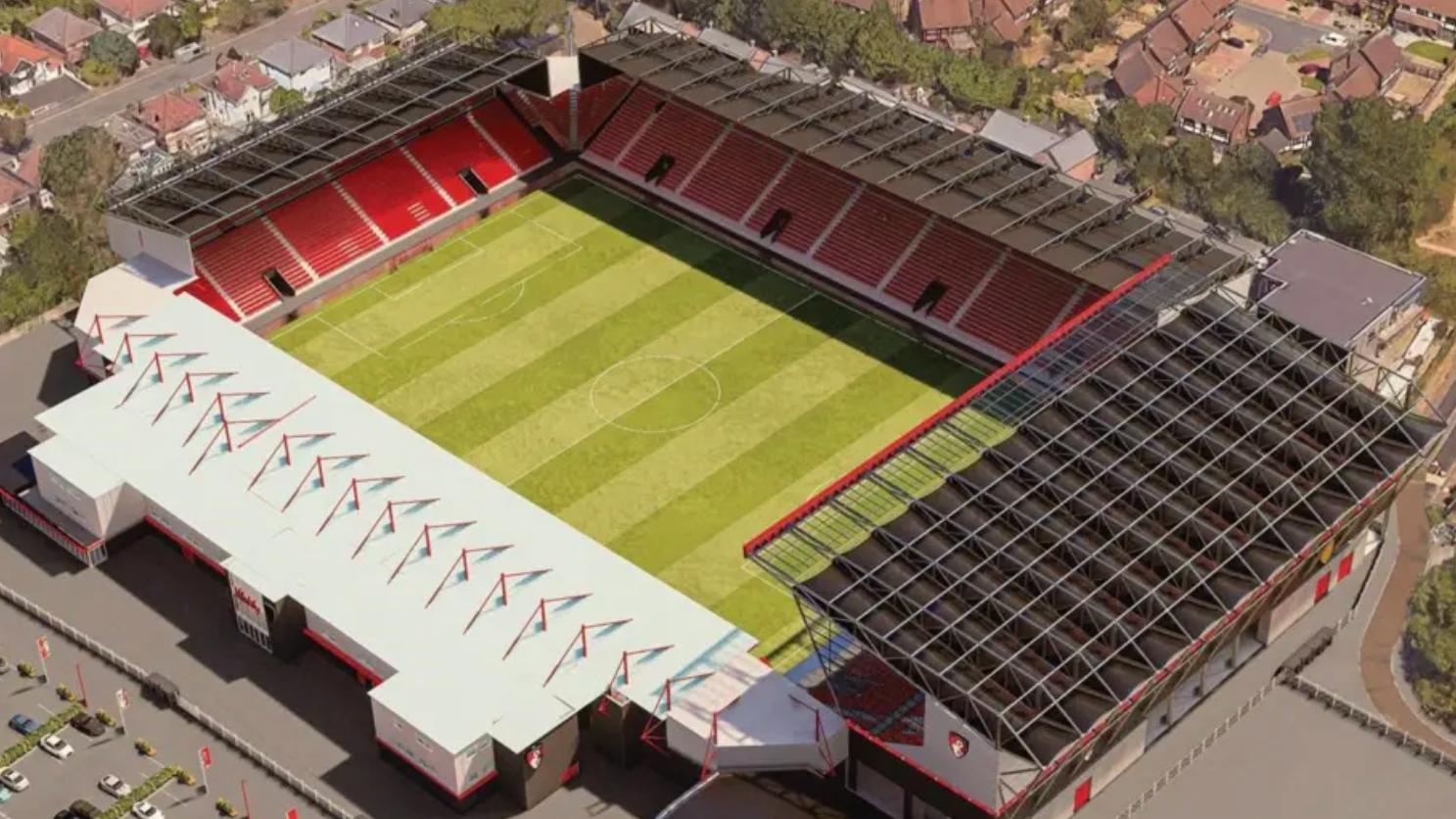
The vitality stadium is one of the most recognisable football grounds on the south coast of England. Located in Bournemouth, Dorset, it has been the home of AFC Bournemouth for more than a century. Although it is known for its relatively small size, the ground has witnessed the club’s remarkable rise from the lower levels of English football to the Premier League and European competition.
Today, the vitality stadium stands at an important point in its history. AFC Bournemouth is carrying out a major redevelopment designed to increase capacity, improve facilities and create a better experience for supporters. The transformation is expected to take the stadium’s capacity to around 20,200 seats.
What Is the Vitality Stadium?
The vitality stadium is the home ground of AFC Bournemouth, commonly known as the Cherries. It sits in the Kings Park area of Bournemouth and has traditionally been one of the smallest grounds in the Premier League.
The stadium originally opened in 1910 under the name Dean Court. Its long connection with AFC Bournemouth makes it an important part of the club’s identity. The venue has changed considerably over the decades, including a complete redevelopment in 2001 that rotated the pitch by 90 degrees.
The current name comes from Vitality, the health and life insurance company whose naming-rights partnership with the club began in 2015.
A Long and Interesting History
The story of the vitality stadium began more than 100 years ago. When Dean Court opened in 1910, the facilities were very different from today’s modern football stadiums.
One of the notable early developments came in the 1930s, when Bournemouth improved the ground with a substantial new stand. The venue also attracted large crowds during important periods in the club’s history.
In 2001, AFC Bournemouth completely rebuilt the stadium on its existing site. The redevelopment created a modern all-seater venue with new stands and a redesigned pitch. The new ground opened in November 2001.
The stadium later went through several sponsorship names before becoming the vitality stadium in 2015.
Home of AFC Bournemouth
The vitality stadium has played a central role in AFC Bournemouth’s rise through English football. The club experienced major financial difficulties in the late 2000s before rebuilding and climbing the divisions.
Bournemouth reached the Premier League for the first time in 2015. The achievement marked a remarkable change in the club’s fortunes and brought the vitality stadium onto football’s biggest domestic stage.
The intimate nature of the ground creates a distinctive matchday atmosphere. Supporters are relatively close to the pitch, giving visitors a different experience from much larger stadiums.
Stadium Capacity
For many years, the vitality stadium had a capacity of roughly 11,300. The exact published figure has varied slightly between club documents, with AFC Bournemouth sources giving figures around 11,286 to 11,307.
Its small capacity has become one of its defining characteristics. As Bournemouth established itself in the Premier League, demand for tickets increased, creating a clear need for additional seating and improved facilities.
The club has therefore begun a major expansion project that will eventually take capacity to approximately 20,200.
The New Vitality Stadium Redevelopment
The redevelopment represents one of the biggest infrastructure projects in AFC Bournemouth’s history. Planning permission for the project was approved by BCP Council in May 2026.
The plans include replacing the existing South Stand, upgrading other areas of the ground and adding new capacity. The project also aims to improve hospitality, supporter facilities and compliance with Premier League and UEFA standards.
The club has designed the project in phases so football can continue at the stadium during the redevelopment. AFC Bournemouth’s latest updates say construction work includes structural improvements, steelwork, cladding, roofing and internal fit-out.
Why the Expansion Matters
The expansion of the vitality stadium is important because AFC Bournemouth has grown significantly since the ground was last comprehensively redeveloped.
A larger stadium can provide more supporters with opportunities to attend matches while also creating improved hospitality and community facilities. The club says the redevelopment is intended to support its long-term ambitions and improve the matchday experience.
The expansion also arrives during an important period for Bournemouth football. In 2026, AFC Bournemouth secured a sixth-place Premier League finish and qualification for the UEFA Europa League, marking the club’s first major European competition.
Buying Back the Stadium
Another major development came in April 2025, when AFC Bournemouth agreed a deal to buy back the stadium.
The club had sold the ground in 2005 to property company Structadene while facing significant financial difficulties. The agreement to regain ownership created a new opportunity for Bournemouth to control the future development of its historic home.
This ownership change became an important foundation for the current redevelopment plans.
Visiting the Vitality Stadium
The vitality stadium is located in Bournemouth’s Kings Park area. Supporters can reach the stadium using public transport and active-travel options.
For the 2026/27 season, AFC Bournemouth has introduced changes to matchday parking. General admission parking is no longer available in the Kings Park car parks, which operate on a pre-booked basis for eligible users. The club encourages supporters to consider public transport and other travel options.
Visitors should check the club’s latest travel information before attending because construction work can affect normal arrangements.
What Makes the Stadium Special?
The appeal of the vitality stadium comes from its history, location and close connection with AFC Bournemouth. Unlike many modern football venues, it has retained a relatively compact character while hosting Premier League football.
Its history also reflects Bournemouth’s football journey. From Dean Court’s early years to the club’s rise into the Premier League and European competition, the stadium has remained a constant part of the story.
The current redevelopment adds another important chapter. Rather than abandoning its historic home, Bournemouth is investing in transforming it for the future.
Frequently Asked Questions
What is the Vitality Stadium?
The vitality stadium is AFC Bournemouth’s home football ground in Bournemouth, Dorset. It opened in 1910 as Dean Court and has undergone major redevelopment over the years.
How many people can the Vitality Stadium hold?
The stadium has traditionally held around 11,300 spectators. Its current redevelopment is designed to increase capacity to approximately 20,200.
When did it become the Vitality Stadium?
The ground adopted the name vitality stadium in 2015 through a naming-rights partnership with Vitality.
Is the Vitality Stadium being expanded?
Yes. AFC Bournemouth is currently carrying out a major redevelopment project that includes additional seating, improved facilities and upgrades to several areas of the ground.
Where is the Vitality Stadium?
The stadium is situated in Kings Park, Bournemouth, Dorset, England.
Conclusion
The vitality stadium is much more than a football ground. Since opening in 1910, it has followed AFC Bournemouth through decades of change, financial challenges, promotions and the club’s arrival on the Premier League stage. Its compact size has become part of its identity and has helped create a distinctive atmosphere for supporters.
The next chapter is already taking shape. With redevelopment underway and the planned capacity rising to around 20,200, the vitality stadium is being prepared for a new era of AFC Bournemouth football. Its historic foundations remain, but the improved facilities and greater capacity are designed to match the club’s ambitions for the future.





Leave a Reply