
Introduction
In many old buildings and industrial materials, a substance called asbestlint was commonly used for insulation and sealing purposes. It became popular because it was strong, heat-resistant, and long-lasting. However, modern research has shown that it can be dangerous to human health when fibers become airborne.
Today, understanding asbestlint is very important for homeowners, construction workers, and renovation professionals. If you are dealing with an older building or materials that might contain asbestos products, knowing the risks and proper handling methods can protect your health and the environment.
What Is Asbestlint?
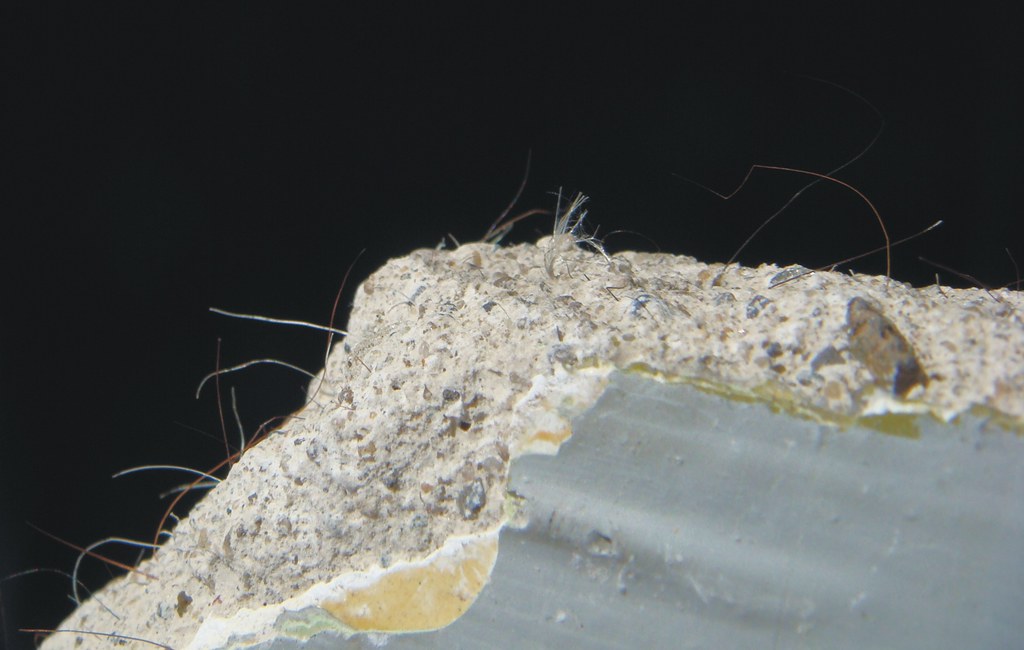
Asbestlint is a type of sealing or insulating material made with asbestos fibers. It was widely used in construction, manufacturing, and industrial environments for many decades.
Key Characteristics
- High resistance to heat and fire
- Strong sealing ability
- Durable and long-lasting
- Resistant to chemicals and corrosion
Because of these features, it was commonly used in areas exposed to extreme temperatures.
Why Was Asbestlint Used in the Past?
Before the health risks were discovered, asbestos-based products were considered miracle materials.
Common Uses
1. Industrial Sealing
Many factories used asbestos lint to seal joints, pipes, and equipment exposed to heat.
2. Insulation Material
It helped insulate boilers, furnaces, and heating systems.
3. Construction Applications
Builders sometimes used it in roofing materials, wall insulation, and pipe wrapping.
4. Fireproofing
Due to its fire-resistant properties, asbestos materials were used to reduce fire risks in buildings.
These benefits made asbestlint very popular during the 20th century.
Health Risks Associated With Asbestlint
While asbestos products offered many advantages, they also pose serious health risks.
When asbestos materials break down or are disturbed, tiny fibers can enter the air. If inhaled, these fibers may remain in the lungs for years.
Possible Health Problems
- Lung diseases
- Breathing difficulties
- Chronic coughing
- Long-term respiratory damage
In many countries, strict regulations now control or ban the use of asbestos materials.
How to Identify Asbestlint
Identifying asbestos materials can be difficult without professional testing.
Signs That May Indicate Asbestos Materials
- Old insulation materials in buildings built before the 1990s
- Pipe wrapping or heat insulation with fibrous texture
- Aging industrial sealing materials
However, visual inspection alone is not enough. Laboratory testing is the safest way to confirm whether a material contains asbestlint.
Safe Handling and Removal
If you suspect asbestos in your home or workplace, safety should be the top priority.
Do Not Disturb the Material
Disturbing asbestos products can release harmful fibers into the air.
Contact Certified Professionals
Licensed asbestos removal experts have the training and equipment needed to safely handle and dispose of these materials.
Follow Local Regulations
Different countries and regions have strict rules for asbestos removal and disposal.
Modern Alternatives to Asbestlint
Today, safer materials have replaced asbestos-based products in most industries.
Common Alternatives
- Fiberglass insulation
- Ceramic fiber sealing materials
- High-temperature synthetic gaskets
- Mineral wool insulation
These modern materials provide similar performance without the health risks.
Why Awareness About Asbestlint Matters
Understanding the risks and history of asbestlint helps people make safer decisions when renovating or working in older buildings.
Public awareness has increased in recent years, and many governments now enforce strict safety standards. Education about asbestos products helps reduce exposure and protect workers, families, and communities
Tips for Homeowners and Renovators
If you are planning to renovate an older property, keep these tips in mind:
Inspect Before Renovation
Always check building materials before drilling, cutting, or removing insulation.
Hire Certified Inspectors
Professional inspections help identify hazardous materials safely.
Avoid DIY Removal
Removing asbestos products without proper equipment can be dangerous.
Conclusion
The history of asbestlint shows how materials once considered useful can later reveal serious health risks. While it played an important role in construction and industry, modern knowledge has led to strict regulations and safer alternatives.
If you suspect asbestos materials in your home or workplace, it is important to handle them carefully and seek professional help. Awareness, proper testing, and safe removal practices can protect your health and prevent long-term exposure risks.
In today’s world, understanding asbestlint is essential for homeowners, builders, and safety professionals. With the right knowledge and precautions, you can ensure a safer environment for yourself and those around you.
FAQs
What is asbestlint used for?
Asbestlint was mainly used for sealing, insulation, and fire-resistant applications in industrial and construction environments.
Is asbestlint dangerous?
Yes, if asbestos fibers become airborne and are inhaled, they can cause serious health problems over time.
How can I identify asbestos materials?
The safest way is through laboratory testing performed by certified asbestos inspection professionals.
Can I remove asbestos materials myself?
It is strongly recommended to hire licensed asbestos removal experts to ensure safe handling and disposal.
Are there safe alternatives to asbestos products?
Yes, modern materials like fiberglass, ceramic fiber, and mineral wool are commonly used as safer alternatives.










Leave a Reply