
Introduction
Menopause is a natural stage in a woman’s life that brings many physical and hormonal changes. While most people know about common symptoms like hot flashes, mood swings, and sleep problems, fewer people talk about digestive issues. One common but often overlooked problem is menopause and reflux, which can cause uncomfortable burning sensations in the chest and throat.
During menopause, hormonal changes can affect the digestive system, leading to acid reflux or heartburn. Many women start noticing reflux symptoms even if they never had them before. Understanding the connection between menopause and reflux can help women manage their symptoms and improve their overall health during this stage of life.
What Is Menopause?
Menopause marks the time when a woman permanently stops having menstrual periods. It usually occurs between the ages of 45 and 55. During this phase, the body produces lower levels of important hormones such as estrogen and progesterone.
These hormonal changes affect many parts of the body, including the digestive system. As hormone levels decrease, the body may respond with symptoms like hot flashes, fatigue, mood changes, and digestive problems such as acid reflux.
What Is Acid Reflux?
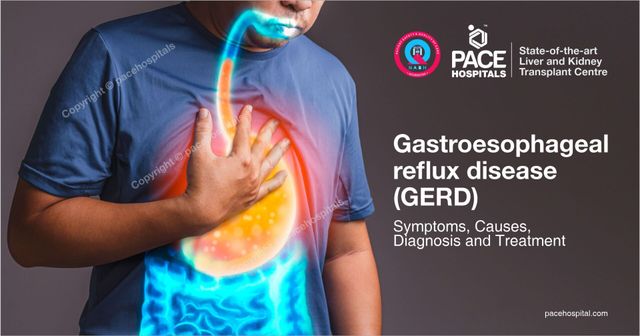
Acid reflux happens when stomach acid flows back into the esophagus, the tube that connects the mouth to the stomach. This backward flow can cause a burning feeling in the chest, commonly known as heartburn.
Common symptoms of reflux include:
- Burning sensation in the chest
- Sour taste in the mouth
- Difficulty swallowing
- Bloating and nausea
- Chronic cough or throat irritation
When these symptoms happen frequently, it may develop into a condition called GERD (Gastroesophageal Reflux Disease).
The Connection Between Menopause and Reflux
Many women experience digestive issues during menopause, and menopause and reflux are often closely linked. The main reason for this connection is hormonal imbalance.
Estrogen plays an important role in maintaining the strength of the lower esophageal sphincter (LES), which is the muscle that keeps stomach acid from flowing back into the esophagus. When estrogen levels drop during menopause, this muscle may become weaker.
As a result, stomach acid can more easily move upward, causing reflux symptoms. This is why some women start experiencing acid reflux for the first time during menopause.
Common Symptoms of Menopause-Related Reflux
When dealing with menopause and reflux, women may notice several symptoms that affect their daily life.
1. Frequent Heartburn
Heartburn is the most common symptom. It causes a burning feeling in the chest, especially after meals.
2. Acid Taste in the Mouth
Many women report a sour or bitter taste caused by stomach acid moving upward.
3. Nighttime Reflux
Reflux symptoms often become worse at night, making it difficult to sleep.
4. Digestive Discomfort
Bloating, gas, and nausea are also common signs linked with menopause-related digestive changes.
Recognizing these symptoms early can help women find effective treatments and prevent long-term complications.
Risk Factors That Make Reflux Worse During Menopause
Several factors can increase the chances of experiencing menopause and reflux symptoms.
Hormonal Changes
The drop in estrogen affects digestion and weakens the muscle that prevents acid reflux.
Weight Gain
Many women gain weight during menopause, and excess weight can increase pressure on the stomach.
Stress and Anxiety
Menopause can bring emotional changes that may worsen digestive problems.
Poor Diet
Spicy foods, caffeine, fried foods, and chocolate can trigger reflux symptoms.
Natural Ways to Manage Menopause and Reflux
Fortunately, there are many simple lifestyle changes that can help reduce reflux symptoms during menopause.
1. Improve Your Diet
Eating healthier foods can make a big difference. Try to include:
- Fresh fruits and vegetables
- Whole grains
- Lean proteins
- Low-fat dairy products
Avoid foods that trigger heartburn, such as spicy dishes, fried foods, and acidic drinks.
2. Eat Smaller Meals
Large meals can put pressure on the stomach and increase acid reflux. Eating smaller portions throughout the day can help reduce symptoms.
3. Maintain a Healthy Weight
Keeping a healthy body weight can reduce pressure on the stomach and lower reflux risk.
4. Stay Upright After Eating
Avoid lying down immediately after meals. Wait at least 2–3 hours before sleeping.
5. Reduce Stress
Stress can worsen digestive problems. Activities like yoga, meditation, or walking can help manage stress during menopause.
Medical Treatments for Menopause-Related Reflux
If lifestyle changes are not enough, doctors may recommend medications.
Common treatments include:
- Antacids to neutralize stomach acid
- Proton pump inhibitors (PPIs) to reduce acid production
- H2 blockers to decrease stomach acid
Some women may also benefit from hormone therapy, but this should always be discussed with a healthcare professional.
Long-Term Health Tips for Menopausal Women
Managing menopause and reflux requires a balanced approach to health. Women should focus on maintaining healthy habits that support both digestion and hormonal balance.
Regular exercise, balanced nutrition, proper sleep, and stress management can significantly improve quality of life during menopause. Routine medical checkups are also important to monitor digestive health and prevent complications.
Conclusion
Menopause brings many changes to the body, and digestive issues like acid reflux can become more common during this time. The connection between menopause and reflux is mainly caused by hormonal changes that affect the digestive system.
Understanding the symptoms and causes can help women take the right steps to manage their health. With proper lifestyle changes, healthy eating habits, and medical guidance when needed, women can successfully control reflux symptoms and enjoy a healthier life during menopause.
Frequently Asked Questions (FAQs)
1. Can menopause cause acid reflux?
Yes, hormonal changes during menopause can weaken the lower esophageal muscle, making acid reflux more likely.
2. Why does heartburn increase during menopause?
Lower estrogen levels can affect digestion and increase the risk of stomach acid moving into the esophagus.
3. How can I reduce reflux during menopause naturally?
You can reduce reflux by eating smaller meals, avoiding trigger foods, maintaining a healthy weight, and staying upright after meals.
4. Is menopause-related reflux permanent?
Not always. Many women manage symptoms successfully with lifestyle changes and medical treatment.
5. When should I see a doctor for reflux?
If heartburn occurs frequently, affects sleep, or does not improve with simple treatments, you should consult a healthcare professional.










Leave a Reply