

Introduction
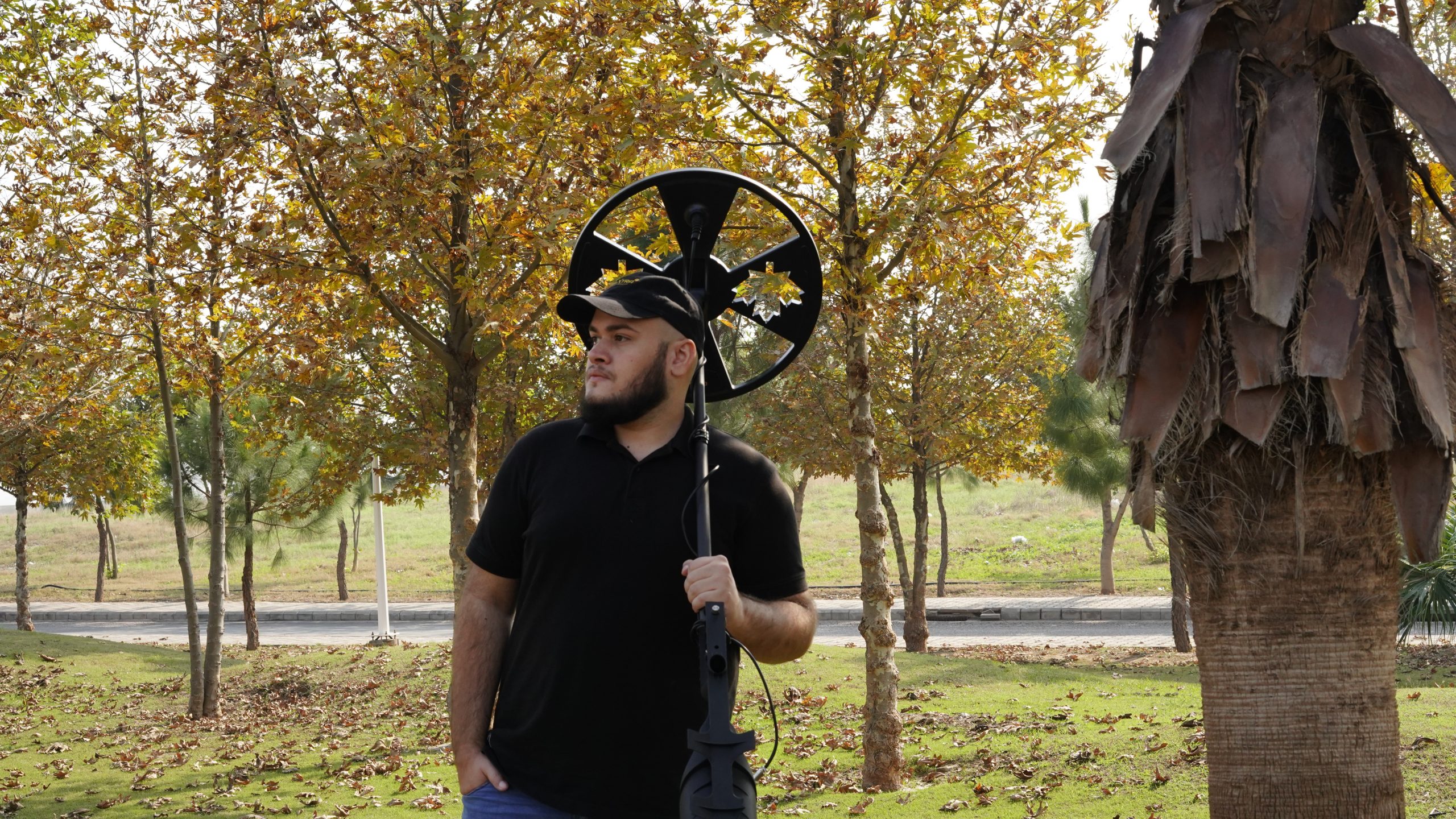
Metal detecting is one of the most exciting hobbies in the world. Many people love searching beaches, parks, and old places to find coins, jewelry, and historical items. If you are new to this hobby, choosing the best starter metal detector is very important. A beginner-friendly detector helps you learn faster and enjoy your treasure hunting journey.
For beginners, a metal detector should be simple to use, lightweight, and affordable. The right device can help you locate valuable metals while avoiding unnecessary frustration. In this guide, we will explain how to choose the best beginner detector, the features you should look for, and helpful tips to start metal detecting successfully.
What Is a Metal Detector?
A metal detector is an electronic device used to find metal objects hidden underground or underwater. It sends electromagnetic signals into the ground and alerts you when metal is detected.
These devices are commonly used for:
- Treasure hunting
- Finding lost jewelry
- Discovering coins and relics
- Beach detecting
- Archaeological exploration
For beginners, using the best starter metal detector makes learning easier and helps you detect items more accurately.
Why Beginners Need a Starter Metal Detector
Many advanced metal detectors have complicated features that can confuse beginners. Starter models are designed to be simple and easy to use.
Benefits of Beginner Metal Detectors
- Simple controls
- Lightweight design
- Affordable price
- Easy target detection
- Quick learning curve
A beginner-friendly device allows new users to focus on learning detection techniques rather than dealing with complex settings.
Key Features to Look for in a Starter Metal Detector
When buying a detector, understanding the basic features will help you make the right choice.
1. Ease of Use
A beginner device should have simple controls and easy settings. Look for detectors with clear displays and automatic ground balance.
2. Lightweight Design
Metal detecting often requires hours of walking and searching. A lightweight detector prevents arm fatigue and makes the hobby more enjoyable.
3. Target Identification
Target identification helps users understand what type of metal is underground. Many detectors show different signals for coins, iron, or jewelry.
4. Adjustable Sensitivity
Sensitivity settings allow the detector to find objects at different depths. Beginners should start with moderate sensitivity.
5. Waterproof Coil
A waterproof search coil lets you search in shallow water, wet sand, and muddy areas.
How to Choose the Best Starter Metal Detector
Choosing the best starter metal detector depends on your budget, location, and personal preference.
Consider Your Budget
Starter detectors usually cost between $100 and $300. Beginners should avoid expensive professional models at first.
Think About Where You Will Search
Different locations require different detectors.
- Beaches require waterproof coils
- Parks require good discrimination
- Fields need deeper detection
Check Battery Life
Long battery life is important for long treasure hunting trips.
Tips for Beginners in Metal Detecting
Starting a new hobby can feel challenging, but with practice, metal detecting becomes easier and more exciting.
Start in Easy Locations
Beginners should start detecting in parks, beaches, or playgrounds. These areas often contain lost coins and jewelry.
Learn the Detector Signals
Each detector produces different sounds for different metals. Spend time understanding these signals.
Dig Carefully
Always dig carefully to avoid damaging valuable items. Use proper digging tools.
Follow Local Laws
Some places require permission for metal detecting. Always check local rules before searching.
Common Finds for Beginners
New metal detector users are often surprised by what they can discover.
Typical finds include:
- Old coins
- Rings
- Bracelets
- Keys
- Historical relics
Using the best starter metal detector increases your chances of finding these exciting items.
Advantages of Metal Detecting as a Hobby
Metal detecting is not only fun but also rewarding.
Outdoor Adventure
It encourages you to explore new places like beaches, forests, and parks.
Exercise
Walking and digging provide light physical activity.
Historical Discoveries
Some detectorists discover artifacts that reveal historical stories.
Potential Valuable Finds
Occasionally, people find gold rings, silver coins, or rare items.
Beginner Mistakes to Avoid
New users often make mistakes when starting metal detecting.
Ignoring Instructions
Always read the detector manual before using it.
Searching in Trashy Areas
Too much trash can confuse beginners. Start in cleaner locations.
Setting Sensitivity Too High
Very high sensitivity may cause false signals.
Learning from these mistakes will help you become a better detectorist quickly.
Maintenance Tips for Metal Detectors
Taking care of your device increases its lifespan.
- Clean the coil after every use
- Store the detector in a dry place
- Check batteries regularly
- Avoid dropping the device
Proper maintenance ensures your best starter metal detector performs well for many years.
Conclusion
Metal detecting is an exciting hobby that allows people to explore the outdoors and discover hidden treasures. With the right equipment, beginners can quickly learn the basics and enjoy the thrill of finding valuable items underground.
Choosing the best starter metal detector is the first step toward a successful treasure hunting adventure. By selecting a lightweight, easy-to-use detector with essential features, beginners can improve their skills and enjoy the hobby with confidence.
FAQs
1. What is the best starter metal detector for beginners?
The best starter detector is one that is lightweight, easy to use, and affordable with basic detection features.
2. How deep can beginner metal detectors detect metal?
Most beginner detectors can find objects between 6 and 10 inches deep depending on the soil and metal type.
3. Can beginners find valuable items with metal detectors?
Yes, many beginners discover coins, jewelry, and historical objects using simple detectors.
4. Is metal detecting a good hobby for beginners?
Yes, it is a fun, educational, and outdoor hobby that anyone can learn quickly.
5. Where should beginners start metal detecting?
Parks, beaches, playgrounds, and old public areas are great starting locations.






Leave a Reply