

Introduction
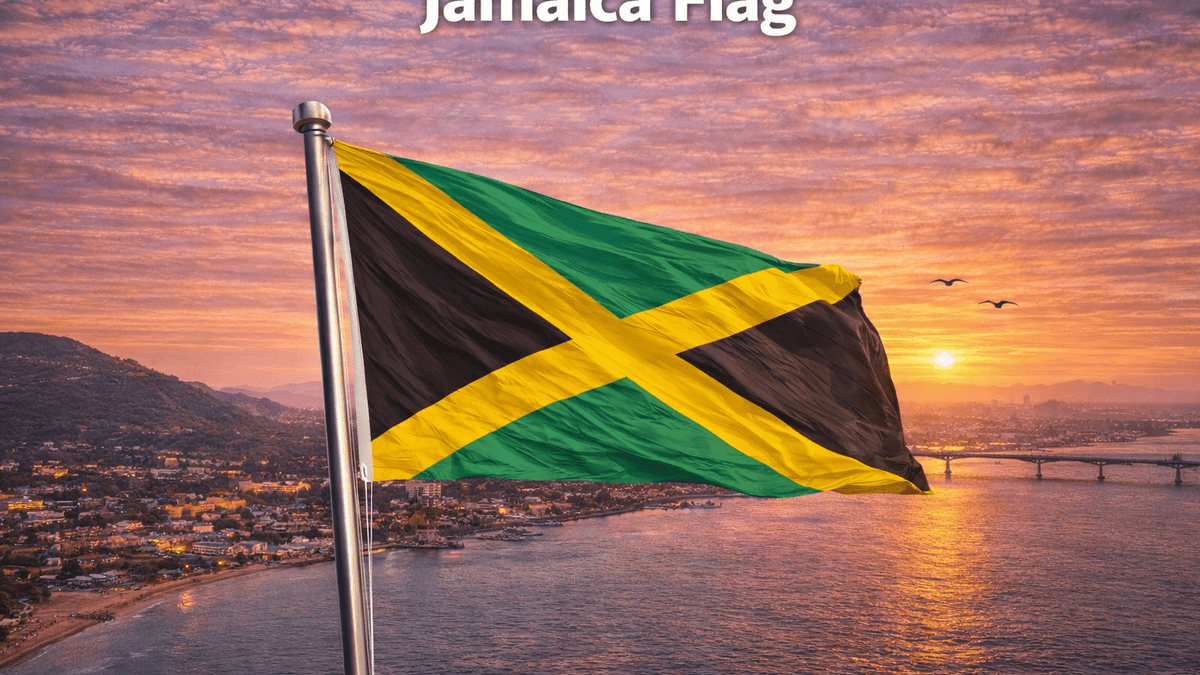
The Jamaica flag is one of the most recognizable national symbols in the Caribbean. With its bold colors and unique design, it represents the culture, strength, and pride of the Jamaican people. Unlike many national flags, it does not use the traditional red, white, and blue colors. Instead, it stands out with black, green, and gold, each carrying a deep meaning connected to the country’s identity.
Understanding the Jamaica flag helps people learn more about Jamaica’s history and national values. The flag was officially adopted when the country gained independence and has since become a powerful representation of hope, strength, and prosperity. From sports events to national celebrations, the flag continues to inspire pride among Jamaicans around the world.
History of the Jamaica Flag
Independence and Adoption
The modern national flag of Jamaica was officially adopted on August 6, 1962, the same day the country gained independence from the United Kingdom. Before independence, Jamaica used British colonial flags that featured the Union Jack.
When independence approached, leaders wanted a new symbol that truly represented the nation. A design competition was held to choose the best flag. The final design included a gold cross dividing the flag into four triangles.
Changes During the Design Process
Originally, the design used black, green, and gold stripes. However, this design was very similar to the flag of Tanganyika (now part of Tanzania). To avoid confusion, the layout was changed to the current cross design, making the Jamaica flag completely unique among national flags.
Meaning of the Jamaica Flag Colors
One of the most interesting aspects of the flag is the symbolism behind its colors.
Black – Strength and Creativity
The black sections of the flag represent the strength and creativity of the Jamaican people. Historically, the color symbolized the hardships faced by the nation. Today, it is more commonly understood as a sign of resilience and determination.
Gold – Natural Wealth and Sunshine
The gold cross symbolizes Jamaica’s natural wealth and the bright sunshine that shines across the island. Jamaica is known for its beautiful beaches, warm climate, and rich natural resources.
Green – Hope and Agriculture
The green triangles represent hope and the fertile land of Jamaica. Agriculture has always been an important part of the country’s economy, producing crops like sugarcane, bananas, and coffee.
Together, these colors create a meaningful representation of Jamaica’s past, present, and future.
Unique Design of the Jamaica Flag
Diagonal Cross Layout
The Jamaica flag features a gold diagonal cross that divides the flag into four triangles:
- Two green triangles at the top and bottom
- Two black triangles on the left and right
This design makes the flag visually striking and easy to recognize.
A Rare Flag Without Red, White, or Blue
Most national flags include at least one of the colors red, white, or blue. Jamaica’s flag is rare because it uses none of these colors. This makes it one of the most unique national flags in the world.
Cultural Importance of the Jamaica Flag
Symbol of National Pride
The flag is more than just a national symbol. It represents the unity and pride of the Jamaican people. During national celebrations such as Independence Day, the flag is displayed across the country.
Representation in Sports and Music
Jamaica is famous for its global cultural influence, especially in sports and music. Athletes proudly wave the flag during international competitions. The Jamaica flag is also commonly seen at music festivals celebrating reggae culture.
A Global Identity
Because Jamaica has a strong cultural presence worldwide, the flag has become a global symbol of island pride and Caribbean culture.
Interesting Facts About the Jamaica Flag
One of the Most Recognizable Flags
The bold design and bright colors make the flag easy to identify anywhere in the world.
Inspired by National Motto
The symbolism of the colors connects closely with Jamaica’s national motto:
“Out of Many, One People.”
This motto reflects the diverse cultural heritage of the country.
Popular in Fashion and Art
The flag’s colors are often used in clothing, art, and merchandise. Many people wear the colors to show pride in Jamaican culture.
Why the Jamaica Flag Is Important Today
National Identity
The flag represents the independence and unity of Jamaica. It reminds citizens of the struggles that led to freedom and the hope for a brighter future.
Tourism and Global Recognition
Jamaica is one of the most popular tourist destinations in the Caribbean. The Jamaica flag plays a big role in promoting the country internationally, appearing in tourism campaigns, souvenirs, and travel marketing.
A Symbol of Unity
Even for Jamaicans living abroad, the flag serves as a strong symbol of cultural connection and identity.
Conclusion
The Jamaica flag is much more than a colorful national emblem. It tells the story of a country that overcame challenges and built a strong national identity. The bold combination of black, green, and gold reflects resilience, natural beauty, and hope for the future.
From its adoption in 1962 to its global recognition today, the Jamaica flag continues to represent the spirit and pride of the Jamaican people. Its unique design and powerful symbolism ensure that it remains one of the most meaningful national flags in the world.
FAQs
What do the colors of the Jamaica flag represent?
The colors symbolize the nation’s values. Black represents strength, gold represents natural wealth and sunshine, and green represents hope and agriculture.
When was the Jamaica flag adopted?
The flag was officially adopted on August 6, 1962, when Jamaica gained independence from the United Kingdom.
Why is the Jamaica flag unique?
The Jamaica flag is unique because it does not use the common colors red, white, or blue found in many national flags.
What shape is on the Jamaica flag?
The flag features a gold diagonal cross that divides the flag into four triangles.
Why is the Jamaica flag important?
The flag represents Jamaica’s independence, national pride, cultural identity, and unity among its people.










Leave a Reply