

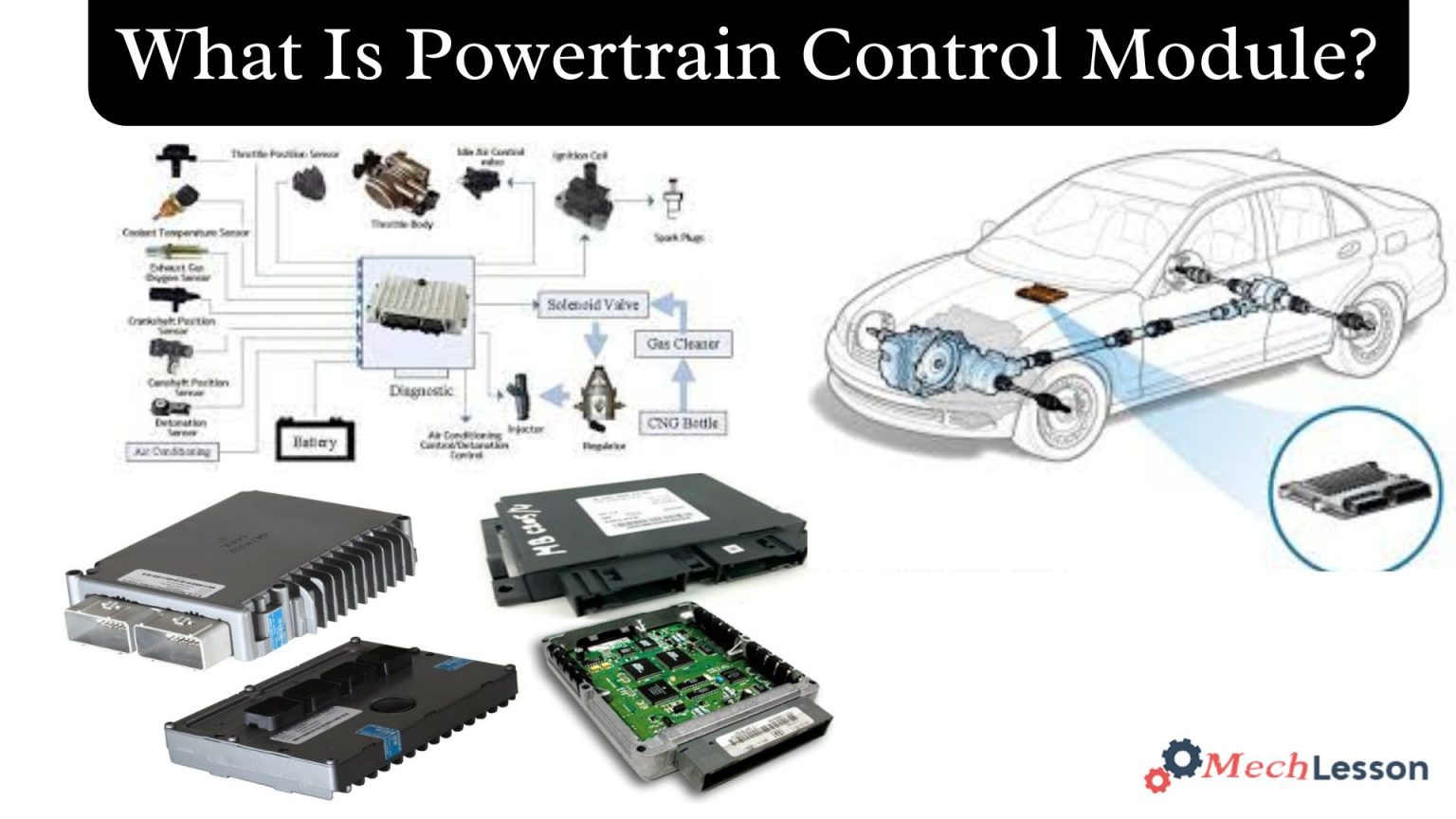
Introduction
Modern vehicles rely on advanced electronic systems to control performance, safety, and efficiency. One of the most important components in this system is the powertrain interface module. It acts as a communication bridge between different electronic units in a vehicle, helping them work together smoothly. Without this module, the vehicle’s engine, transmission, and control systems would not be able to coordinate properly.
The powertrain interface module is especially important in modern cars with complex electronics. It helps manage signals between the engine control module, transmission control systems, and other electronic units. This smart technology improves vehicle performance, reduces errors, and ensures that all systems communicate effectively. As vehicles become more digital, the importance of this module continues to grow.
What is a Powertrain Interface Module?
A powertrain interface module is an electronic device that connects various vehicle systems and allows them to share information. It works as a translator and controller between multiple modules inside the vehicle.
Key Purpose
- Connects different electronic control modules
- Helps transmit signals between systems
- Improves engine and transmission coordination
- Supports advanced vehicle diagnostics
In simple terms, this module ensures that all parts of the vehicle’s powertrain system operate in harmony.
How the Powertrain Interface Module Works
The working process of the powertrain interface module is based on communication networks used inside vehicles. Most modern cars use CAN (Controller Area Network) systems to send signals between components.
Signal Communication
The module collects data from various sensors and control units such as:
- Engine Control Unit (ECU)
- Transmission Control Module (TCM)
- Brake control system
- Vehicle stability systems
It processes this information and sends commands so the vehicle systems can respond correctly.
Data Management
The module filters and organizes communication signals to ensure that the right information reaches the correct component at the right time.
System Integration
Another important role is integrating multiple vehicle technologies so they operate together efficiently.
Key Features of a Powertrain Interface Module
Modern vehicles include highly advanced interface modules. Some of the most important features include:
1. Smart Data Communication
The module allows smooth communication between multiple control systems. This improves the vehicle’s overall efficiency.
2. Error Detection System
A powertrain interface module can detect communication faults and system errors. It helps technicians identify issues quickly during diagnostics.
3. Real-Time Monitoring
It continuously monitors vehicle data such as engine performance, transmission activity, and sensor signals.
4. Advanced System Compatibility
Modern modules are designed to work with multiple vehicle platforms and technologies.
5. Improved Safety Functions
By coordinating different vehicle systems, the module helps improve driving safety and system reliability.
Benefits of Using a Powertrain Interface Module
The role of this module is critical in modern automotive technology. It offers several advantages that improve vehicle performance and reliability.
Better Vehicle Performance
By managing communication between systems, the module helps the engine and transmission operate more efficiently.
Improved Diagnostic Capabilities
When problems occur, the module helps identify faults quickly, making repairs easier and faster.
Enhanced System Coordination
Modern vehicles contain dozens of electronic modules. The powertrain interface module ensures that all these components work together properly.
Reduced System Conflicts
Without proper communication, electronic systems can send conflicting signals. The interface module prevents these issues.
Why Modern Vehicles Need This Technology
Vehicles today rely heavily on electronics. From fuel injection systems to driver assistance technologies, every feature depends on accurate communication.
Growing Electronic Complexity
Modern vehicles may include more than 50 electronic control units. Managing these systems requires a reliable communication interface.
Support for Advanced Driving Systems
Features like stability control, traction management, and smart transmission systems depend on the interface module.
Improved Fuel Efficiency
Efficient communication between engine and transmission helps optimize fuel consumption.
Signs of a Faulty Powertrain Interface Module
Like any electronic component, the module can develop problems over time. Some common symptoms include:
Warning Lights
Dashboard warning lights related to engine or transmission may appear.
Communication Errors
Technicians may detect communication faults during diagnostic scans.
Performance Problems
Poor engine performance or transmission issues can sometimes be related to module failures.
System Malfunctions
Features like traction control or stability systems may stop working correctly.
Maintenance and Troubleshooting Tips
Keeping vehicle electronics in good condition can help prevent issues with the
Regular Diagnostics
Periodic vehicle scanning can detect communication issues early.
Software Updates
Vehicle manufacturers often release updates that improve system performance.
Proper Electrical Maintenance
Maintaining battery health and wiring connections helps protect electronic modules.
Professional Inspection
If problems occur, it is important to consult a qualified technician who can diagnose the issue properly.
Future of Powertrain Interface Technology
The automotive industry is rapidly evolving with electric vehicles, hybrid systems, and advanced driver technologies. Interface modules will become even more important in managing these complex systems.
Future vehicles will require faster communication networks and smarter electronic controllers. The will continue to play a central role in connecting powertrain components and ensuring smooth operation.
As automotive technology advances, these modules will become more intelligent, reliable, and integrated with vehicle control systems.
Conclusion
Modern vehicles depend heavily on electronic communication systems to maintain performance and safety. The acts as a key component that connects different vehicle systems and allows them to share data efficiently. By coordinating engine, transmission, and control modules, it ensures that the vehicle operates smoothly and reliably.
As automotive technology continues to advance, the role of this module will become even more critical. From improving diagnostics to supporting advanced vehicle systems, the remains an essential part of modern automotive engineering. Understanding its function helps drivers and technicians appreciate how today’s vehicles achieve high levels of performance and efficiency.
FAQs
What does a powertrain interface module do?
A powertrain interface module connects different electronic systems in a vehicle and allows them to communicate effectively.
Where is the powertrain interface module located?
It is usually installed within the vehicle’s electronic control system area, often near other control modules.
Can a faulty powertrain interface module affect vehicle performance?
Yes. A malfunctioning module can cause communication errors that may affect engine, transmission, or other vehicle systems.
How is a powertrain interface module diagnosed?
Technicians use vehicle diagnostic tools to scan communication networks and detect module faults.
Is replacing the powertrain interface module expensive?
The cost depends on the vehicle model and complexity of the system, but professional installation is usually required.












Leave a Reply