

Introduction
Aquarium enthusiasts are always searching for beautiful and useful creatures that help maintain a clean and balanced tank. One of the most popular choices is the caridina japonica amano shrimp. Known for its excellent algae-eating abilities and peaceful nature, this freshwater shrimp has become a favorite among beginner and experienced aquarists alike.
Originally discovered in Japan and popularized by aquarium expert Takashi Amano, these shrimp are valued for both their appearance and practical benefits. They actively consume algae, leftover food, and organic waste, helping aquarium owners maintain a healthier aquatic environment with less effort.
What Is Caridina Japonica Amano Shrimp?
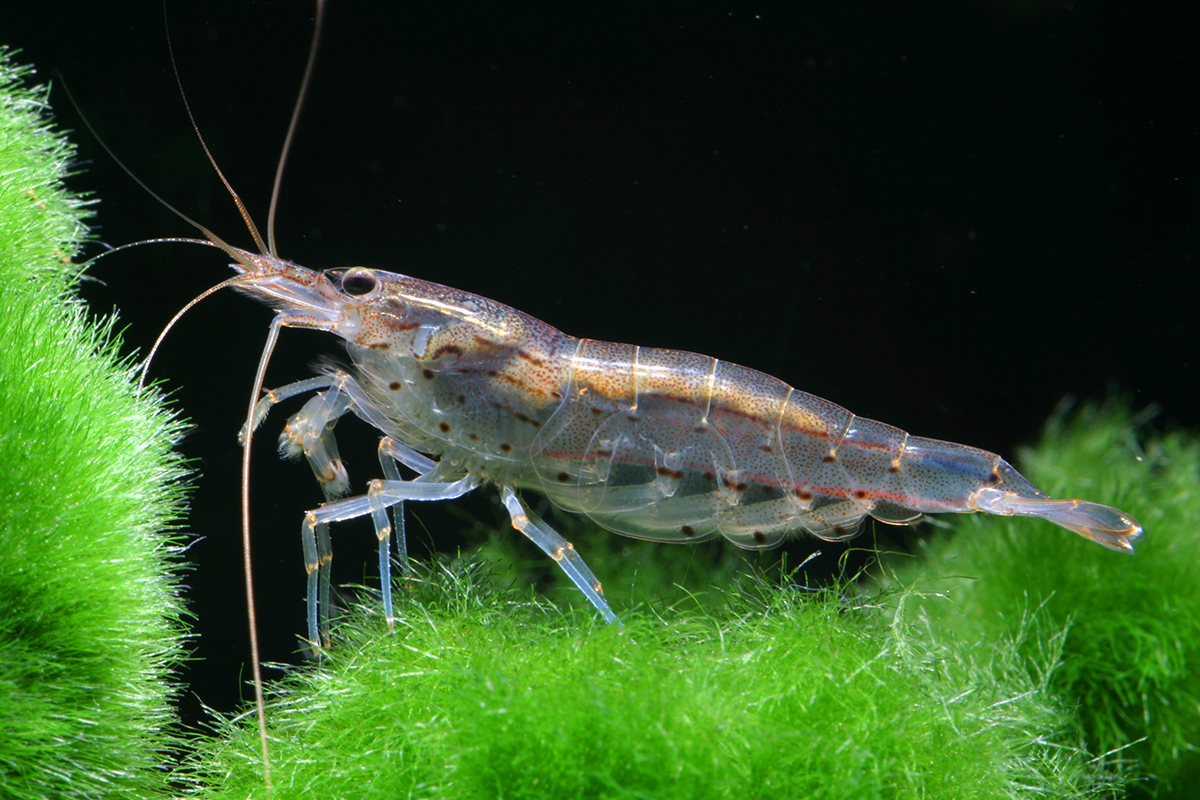
The caridina japonica amano shrimp is a freshwater shrimp species native to Japan, Taiwan, and parts of Korea. It belongs to the Caridina genus and is widely recognized as one of the most effective natural algae cleaners available for aquariums.
These shrimp typically grow larger than many dwarf shrimp species, reaching lengths of up to 2 inches. Their transparent bodies feature small brown or reddish dots running along their sides, giving them a unique and attractive appearance.
Why Amano Shrimp Are So Popular
Excellent Algae Control
One of the biggest reasons aquarists choose Amano shrimp is their ability to consume algae. They feed on hair algae, soft green algae, and biofilm that commonly appear in planted tanks.
Peaceful Tank Residents
Amano shrimp are non-aggressive and can live comfortably with many fish species. Their peaceful nature makes them suitable for community aquariums.
Low Maintenance
Compared to many aquarium species, Amano shrimp require relatively simple care. With proper water conditions and nutrition, they thrive for several years.
Attractive Appearance
Their translucent bodies create a fascinating look in aquascaped aquariums. Watching them forage and clean surfaces adds activity and interest to any tank.
Ideal Tank Setup
Tank Size
A minimum tank size of 10 gallons is recommended. Larger tanks provide greater stability and more natural food sources.
Water Parameters
Maintaining stable water conditions is essential for shrimp health.
Recommended Conditions
- Temperature: 68°F to 78°F (20°C to 26°C)
- pH: 6.5 to 7.8
- Ammonia: 0 ppm
- Nitrite: 0 ppm
- Nitrate: Below 20 ppm
Regular water testing helps ensure these conditions remain stable.
Plants and Decorations
Live plants offer shelter and natural grazing areas. Popular choices include:
- Java Moss
- Anubias
- Java Fern
- Amazon Sword
Driftwood, rocks, and caves also provide hiding places, especially during molting periods.
Feeding Amano Shrimp
The caridina japonica amano shrimp is primarily an omnivore. Although it consumes algae naturally, additional feeding is important for long-term health.
Best Foods
Natural Foods
- Algae
- Biofilm
- Decaying plant matter
Supplemental Foods
- Shrimp pellets
- Algae wafers
- Blanched spinach
- Zucchini slices
- Cucumber pieces
Feed small amounts once daily to avoid water pollution.
Tank Mates for Amano Shrimp
Choosing compatible tank mates is crucial.
Good Tank Mates
- Neon Tetras
- Ember Tetras
- Corydoras Catfish
- Otocinclus Catfish
- Harlequin Rasboras
- Mystery Snails
Fish to Avoid
Large or aggressive fish may prey on shrimp.
Examples include:
- Oscar Fish
- Large Cichlids
- Arowanas
- Aggressive Bettas
Keeping peaceful species ensures a safer environment.
Molting Process Explained
Like all shrimp, Amano shrimp periodically shed their exoskeleton through a process called molting.
Signs of Molting
- Reduced activity
- Hiding behavior
- Pale appearance
After molting, the shrimp becomes vulnerable until its new shell hardens. Avoid removing the shed exoskeleton because shrimp often consume it to regain valuable minerals.
Breeding Challenges
Breeding Amano shrimp is significantly more difficult than breeding many other freshwater shrimp species.
Why Breeding Is Difficult
Adult shrimp live in freshwater, but their larvae require brackish water for development. This unique life cycle creates challenges for home aquarists.
Breeding Process
- Female carries eggs beneath her abdomen.
- Eggs hatch into tiny larvae.
- Larvae are transferred to brackish water.
- Juveniles eventually return to freshwater.
Due to these requirements, most Amano shrimp sold in stores are commercially bred.
Common Health Problems
Failed Molting
Poor water quality or mineral deficiencies may cause unsuccessful molts.
Stress
Rapid changes in temperature or pH can stress shrimp and weaken their immune systems.
Poor Water Conditions
High ammonia and nitrite levels are among the leading causes of shrimp deaths.
Prevention Tips
- Perform regular water changes.
- Test water weekly.
- Avoid sudden parameter shifts.
- Feed a balanced diet.
Benefits of Keeping Amano Shrimp
The caridina japonica amano shrimp offers numerous advantages for aquarium owners.
Natural Cleaning Crew
These shrimp continuously search for algae and organic debris, helping maintain a cleaner aquarium.
Supports Plant Growth
By reducing algae competition, plants can receive more nutrients and light.
Safe for Community Tanks
Their peaceful behavior makes them suitable for a wide range of aquarium setups.
Entertaining Behavior
Watching shrimp forage, climb decorations, and interact with their environment provides endless enjoyment.
How Long Do Amano Shrimp Live?
Under proper conditions, Amano shrimp typically live between 2 and 5 years. Factors that influence lifespan include:
- Water quality
- Diet
- Stress levels
- Tank stability
Providing consistent care greatly improves longevity.
Tips for Beginners
If you are new to shrimp keeping, follow these simple guidelines:
Start with a Mature Tank
A mature aquarium contains natural biofilm and stable water conditions.
Acclimate Slowly
Use drip acclimation to prevent shock when introducing shrimp.
Avoid Copper Medications
Copper is highly toxic to shrimp and should never be used in shrimp tanks.
Monitor Water Quality
Regular testing helps detect problems before they become serious.
Conclusion
The caridina japonica amano shrimp is one of the most beneficial and fascinating additions to a freshwater aquarium. Its exceptional algae-eating abilities, peaceful temperament, and attractive appearance make it a top choice for aquarists around the world.
Whether you are creating a planted aquascape or maintaining a community aquarium, Amano shrimp provide both beauty and practical value. With proper care, stable water conditions, and a balanced diet, these hardworking shrimp can thrive for years while helping keep your aquarium clean and healthy.
Final Thoughts
Investing in Amano shrimp is a smart decision for anyone looking to improve aquarium cleanliness naturally. Their low-maintenance nature and constant activity make them enjoyable pets while reducing algae-related problems.
As more aquarium hobbyists discover their benefits, the caridina japonica amano shrimp continues to remain one of the most recommended freshwater shrimp species available today.
Frequently Asked Questions (FAQs)
1. What does Caridina Japonica Amano shrimp eat?
They primarily eat algae, biofilm, leftover food, vegetables, and shrimp-specific pellets.
2. How many Amano shrimp should I keep together?
Keeping at least 3 to 5 shrimp is recommended because they are more active in groups.
3. Are Amano shrimp good for planted tanks?
Yes. They help control algae without damaging healthy aquatic plants.
4. Can Amano shrimp live with fish?
Yes, they can live with peaceful community fish that are not large enough to eat them.
5. How long do Amano shrimp live?
Most Amano shrimp live between 2 and 5 years when provided with proper care.
6. Are Amano shrimp easy for beginners?
Yes. Their hardy nature and simple care requirements make them ideal for beginners.








Leave a Reply