

Introduction
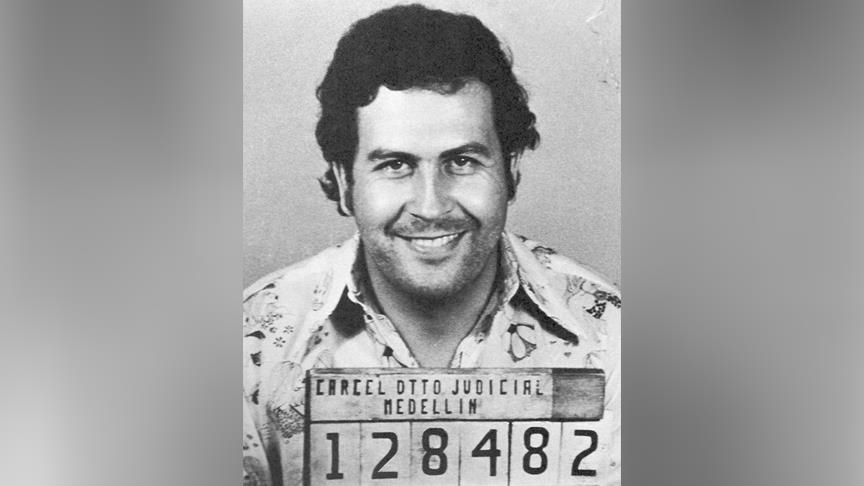
Few names in criminal history are as famous as Pablo Escobar. Known as the “King of Cocaine,” he built one of the largest and most powerful drug empires the world has ever seen. His influence extended beyond Colombia, affecting politics, law enforcement, and international drug trafficking for decades.
The story of Pablo Escobar is both fascinating and tragic. While some people viewed him as a generous local hero because of his charitable projects, many others remember the violence, corruption, and fear that followed his rise to power. His life remains a subject of books, documentaries, movies, and academic studies around the world.
Who Was Pablo Escobar?
Early Life and Background
Pablo Emilio Escobar Gaviria was born on December 1, 1949, in Rionegro, Colombia. He grew up in a middle-class family and spent most of his childhood in Medellín. His father was a farmer, while his mother worked as a teacher.
From an early age, Escobar showed strong ambition. However, instead of following a traditional career path, he became involved in criminal activities. These small crimes eventually led him into the growing drug trade that would make him one of the richest criminals in history.
The Rise of the Medellín Cartel
Building a Criminal Empire
During the 1970s, cocaine demand increased rapidly in the United States. Escobar recognized the opportunity and began organizing large-scale drug trafficking operations. He became one of the leading figures behind the Medellín Cartel.
The cartel controlled the production, transportation, and distribution of cocaine across international markets. As profits increased, Pablo Escobar expanded his network and gained significant power throughout Colombia.
Massive Wealth and Influence
At the height of his success, the Medellín Cartel earned billions of dollars annually. Escobar’s personal wealth became legendary. Reports suggested that he was among the richest individuals in the world during the 1980s.
His money allowed him to purchase luxury homes, private aircraft, vehicles, and vast estates. One of his most famous properties was Hacienda Nápoles, a massive estate featuring exotic animals, lakes, and recreational facilities.
How Pablo Escobar Gained Public Support
Community Projects
Despite his criminal activities, Escobar invested money in poor communities. He funded housing developments, sports fields, schools, and public facilities for disadvantaged families.
These actions helped him build a loyal following among some residents who saw him as a benefactor. His charitable efforts created a complex public image that still sparks debate today.
Political Ambitions
Escobar also attempted to enter politics. In the early 1980s, he became involved in Colombia’s political system and sought greater influence through public office.
However, investigations into his criminal background eventually exposed his ties to drug trafficking. This led to increased scrutiny from government officials and law enforcement agencies.
Violence and Terror
Conflict with the Government
As authorities intensified efforts to stop drug trafficking, Escobar responded with violence. His organization was linked to bombings, assassinations, kidnappings, and attacks against government institutions.
The campaign of terror created fear throughout Colombia. Journalists, judges, politicians, and police officers often became targets if they opposed cartel activities.
Impact on Colombian Society
The violence associated with Pablo Escobar had devastating consequences. Thousands of people lost their lives during conflicts involving the cartel.
Entire communities were affected by crime, corruption, and instability. The period remains one of the most difficult chapters in Colombia’s modern history.
The Search for Pablo Escobar
International Efforts
The Colombian government worked closely with international partners, including law enforcement agencies from the United States, to dismantle the Medellín Cartel.
Special task forces were created to locate Escobar and weaken his criminal network. The search became one of the most famous manhunts in global law enforcement history.
Life in Hiding
As pressure increased, Escobar spent years avoiding capture. He moved between secret locations and relied on trusted associates for protection.
Although he remained elusive for a long time, authorities gradually reduced his resources and support network, making it increasingly difficult for him to remain hidden.
The Death of Pablo Escobar
Final Days
On December 2, 1993, Colombian security forces located Escobar in Medellín. During an operation to capture him, a confrontation occurred that resulted in his death.
His death marked the end of an era and significantly weakened the Medellín Cartel. However, it did not eliminate the global drug trade.
Aftermath
Following his death, Colombia continued efforts to combat organized crime and drug trafficking. New criminal groups emerged, but none achieved the same level of notoriety as Escobar’s organization.
The event also became a major turning point in Colombia’s fight against powerful drug cartels.
The Legacy of Pablo Escobar
Influence on Popular Culture
The story of Pablo Escobar has inspired countless books, television series, documentaries, and films. Audiences remain fascinated by his dramatic rise and downfall.
Popular media often explores both his criminal activities and the social conditions that allowed his empire to grow. These portrayals continue to shape public understanding of his life.
Lessons from History
Escobar’s story serves as a reminder of how organized crime can impact society. His rise demonstrated the dangers of corruption, illegal wealth, and unchecked criminal influence.
Governments and law enforcement agencies worldwide continue to study his methods as part of efforts to combat modern criminal organizations.
Why People Still Talk About Pablo Escobar
Historical Significance
The impact of Escobar’s actions reached far beyond Colombia. His operations influenced international drug policy, law enforcement strategies, and global discussions about organized crime.
Continuing Public Interest
Decades after his death, interest in Pablo Escobar remains strong. People continue to search for information about his life, wealth, criminal empire, and influence on world history.
His story combines power, wealth, politics, crime, and controversy, making it one of the most compelling real-life narratives ever documented.
Conclusion
The life of Pablo Escobar remains one of the most remarkable and controversial stories of the twentieth century. From humble beginnings in Colombia to becoming the leader of a massive drug empire, his journey changed the course of history and left a lasting mark on society.
Although his wealth and influence were extraordinary, the violence and suffering associated with his criminal activities cannot be overlooked. Understanding his story helps people learn important lessons about crime, power, and the consequences of illegal enterprises.
Conclusion
Today, the legacy of Pablo Escobar continues to be studied by historians, journalists, and law enforcement professionals. His rise and fall provide valuable insights into the challenges governments face when confronting organized crime.
As interest in his life continues worldwide, his story remains a powerful example of how ambition, wealth, and criminal influence can shape nations and affect millions of lives.
Frequently Asked Questions (FAQs)
1. Who was Pablo Escobar?
Pablo Escobar was a Colombian drug lord and leader of the Medellín Cartel, one of the most powerful criminal organizations in history.
2. How rich was Pablo Escobar?
At his peak, Escobar was believed to be worth billions of dollars and was often listed among the world’s wealthiest individuals.
3. What was the Medellín Cartel?
The Medellín Cartel was a criminal organization that controlled a significant portion of the global cocaine trade during the 1970s and 1980s.
4. When did Pablo Escobar die?
Pablo Escobar died on December 2, 1993, during an operation conducted by Colombian security forces.
5. Why is Pablo Escobar still famous today?
He remains famous because of his immense wealth, criminal empire, influence on global drug trafficking, and widespread portrayal in books, films, and television series.
6. Did Pablo Escobar help poor communities?
Yes, he funded housing projects, sports facilities, and community programs, which earned him support from some local residents despite his criminal activities.
7. What is Pablo Escobar’s legacy?
His legacy includes both his role in expanding international drug trafficking and the lessons learned from the social and political effects of organized crime.








Leave a Reply