

Introduction
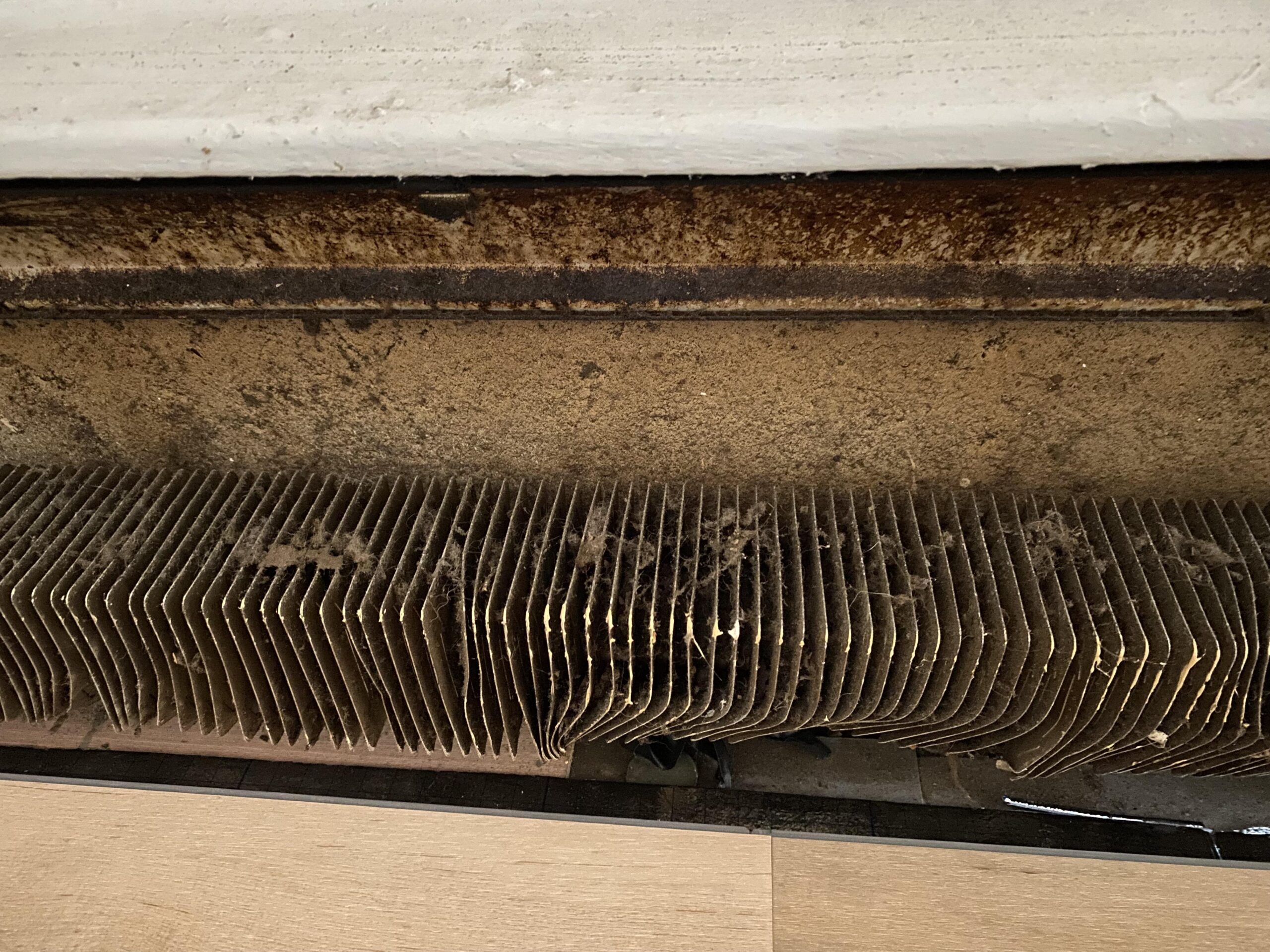
Baseboard heaters are one of the most common heating systems found in homes and apartments. They provide steady warmth and help maintain a comfortable indoor temperature during cold months. However, dust, pet hair, and debris can build up inside these heaters over time, reducing their performance and even creating unpleasant odors.
If you are wondering how to clean baseboard heaters, the good news is that the process is simple and does not require expensive tools. Regular cleaning can improve heating efficiency, reduce energy costs, and help maintain better indoor air quality.
Many homeowners forget about heater maintenance until they notice strange smells or uneven heating. A few minutes of cleaning every few months can make a big difference. In this guide, you will learn the safest and most effective methods to clean your baseboard heaters and keep them working at their best.
Why Cleaning Baseboard Heaters Is Important
Cleaning baseboard heaters is not just about appearance. It directly affects the performance of your heating system.
Benefits include:
- Better heating efficiency
- Lower energy consumption
- Improved indoor air quality
- Reduced dust circulation
- Elimination of burning dust odors
- Longer heater lifespan
When dust accumulates on heating fins and internal components, airflow becomes restricted. This forces the heater to work harder to produce the same amount of heat.
Tools You Need Before You Start
Before learning how to clean baseboard heaters, gather the following supplies:
Basic Cleaning Supplies
- Vacuum cleaner with brush attachment
- Microfiber cloth
- Soft-bristle brush
- Warm water
- Mild soap
- Screwdriver (if needed)
- Protective gloves
Optional Supplies
- Compressed air can
- Duster with long handle
- Cleaning wipes
Having the right tools makes the cleaning process easier and safer.
Safety First: Turn Off the Heater
Safety should always be your top priority.
For Electric Baseboard Heaters
Turn off the heater using the thermostat and switch off the circuit breaker connected to the unit.
For Hot Water Baseboard Heaters
Turn down the thermostat and allow the system to cool completely before cleaning.
Never clean a hot heater because it can cause burns or damage cleaning materials.
Step-by-Step Guide on How to Clean Baseboard Heaters
Follow these simple steps for a thorough cleaning.
Step 1: Remove Surface Dust
Start by wiping the outside of the heater with a dry microfiber cloth.
This removes loose dirt and prevents dust from spreading during deeper cleaning.
Step 2: Vacuum the Heater
Use a vacuum cleaner with a brush attachment to remove dust and debris from:
- Air vents
- Heater fins
- Corners
- Baseboard edges
Move slowly to ensure all dust is collected.
Step 3: Remove the Front Cover
Many baseboard heaters have removable front covers.
Carefully lift or unscrew the cover according to the manufacturer’s instructions.
Removing the cover provides better access to the interior components.
Step 4: Clean the Heating Fins
The metal fins inside the heater collect the most dust.
Use a soft brush to gently clean between the fins.
Be careful not to bend them because damaged fins can reduce heating performance.
Step 5: Use Compressed Air
For hard-to-reach areas, compressed air works extremely well.
Blow dust out from:
- Tight corners
- Fin spaces
- Internal channels
Keep the nozzle several inches away from the heater components.
Step 6: Wipe Interior Surfaces
Mix a small amount of mild soap with warm water.
Dampen a cloth and gently wipe accessible interior surfaces.
Avoid soaking any electrical components.
Step 7: Reassemble the Heater
Once everything is clean and dry:
- Replace the cover
- Tighten screws if necessary
- Restore power
Your heater is now ready for use.
Common Mistakes to Avoid
Many homeowners make mistakes while cleaning heaters.
Using Excessive Water
Too much moisture can damage electrical parts and promote corrosion.
Always use a lightly damp cloth instead of soaking surfaces.
Forgetting to Disconnect Power
This is one of the biggest safety risks.
Always turn off power before starting maintenance.
Bending Heater Fins
The thin metal fins are delicate.
Handle them carefully during cleaning to maintain proper airflow.
Ignoring Regular Maintenance
Waiting years between cleanings allows heavy dust buildup and reduces efficiency.
How Often Should You Clean Baseboard Heaters?
The ideal cleaning schedule depends on your environment.
Homes with Pets
Clean every 2 to 3 months because pet hair accumulates quickly.
Average Households
Clean at least twice per year.
Allergy-Prone Homes
Monthly dust removal helps improve indoor air quality.
Regular maintenance ensures maximum performance throughout the heating season.
Signs Your Baseboard Heater Needs Cleaning
You may need to clean your heater if you notice:
- Burning smells
- Uneven room heating
- Visible dust buildup
- Increased energy bills
- Strange noises
- Reduced airflow
These signs often indicate that dust is interfering with normal operation.
Tips to Keep Baseboard Heaters Cleaner Longer
Vacuum Nearby Floors Regularly
Dust from carpets and floors often gets pulled into heaters.
Keep Furniture Away
Maintain at least several inches of clearance around heaters.
Control Pet Hair
Frequent pet grooming helps reduce airborne fur.
Dust Rooms Frequently
Regular housekeeping prevents dust from accumulating inside heating units.
Following these habits can significantly reduce cleaning frequency.
Can Dirty Baseboard Heaters Increase Energy Costs?
Yes. Dust acts as insulation and blocks airflow around heating elements.
When airflow is restricted, heaters must work harder and longer to warm the room.
Learning how to clean baseboard heaters properly can help improve efficiency and potentially reduce heating expenses over time.
Professional Cleaning vs DIY Cleaning
Most homeowners can clean baseboard heaters themselves.
However, consider professional service if:
- The heater is very old
- Electrical issues are present
- Internal damage is visible
- Heating performance remains poor after cleaning
Professional technicians can inspect components that are difficult to access safely.
Conclusion
Keeping your heating system clean is one of the simplest ways to improve comfort and energy efficiency. Understanding how to clean baseboard heaters helps you maintain better airflow, reduce dust buildup, and extend the lifespan of your heating equipment. With just a few basic tools and a little time, you can keep your heaters operating at peak performance.
Regular maintenance should become part of your seasonal home care routine. By following the steps in this guide, you can enjoy cleaner air, more effective heating, and lower energy consumption throughout the year. A well-maintained baseboard heater not only works better but also creates a healthier and more comfortable living environment.
Frequently Asked Questions (FAQs)
1. How often should I clean baseboard heaters?
Most homes should clean them at least twice a year. Homes with pets or allergies may require more frequent cleaning.
2. Can I use water to clean baseboard heaters?
Yes, but only a lightly damp cloth. Avoid excessive moisture near electrical components.
3. Why does my baseboard heater smell when turned on?
Dust buildup often causes a burning smell when the heater warms up.
4. Do dirty baseboard heaters use more electricity?
Yes. Dust can reduce efficiency, causing the heater to work harder and consume more energy.
5. Is it safe to vacuum inside a baseboard heater?
Yes. Using a vacuum with a brush attachment is one of the safest and most effective cleaning methods.
6. Can cleaning improve heating performance?
Absolutely. Clean heaters allow better airflow and more efficient heat distribution throughout the room.









Leave a Reply