

Introduction
Eating out should be an enjoyable experience for everyone. However, people with gluten intolerance, wheat allergies, or celiac disease often face challenges when choosing where to dine. Finding trustworthy gluten free restaurants has become more important than ever as awareness about gluten-related conditions continues to grow worldwide.
Fortunately, the restaurant industry has evolved significantly in recent years. Many restaurants now offer dedicated gluten-free menus, trained staff, and separate preparation areas to reduce cross-contamination risks. Whether you are newly diagnosed with celiac disease or simply prefer a gluten-free lifestyle, this guide will help you discover safe and tasty dining experiences.
What Are Gluten Free Restaurants?
Gluten free restaurants are dining establishments that provide meals prepared without gluten-containing ingredients. Gluten is a protein naturally found in wheat, barley, and rye.
These restaurants may offer:
- Entirely gluten-free kitchens
- Dedicated gluten-free menus
- Special preparation methods
- Staff trained in allergen awareness
- Separate cooking equipment
For individuals with celiac disease, eating even tiny amounts of gluten can cause severe health issues. This makes choosing the right restaurant extremely important.
Why Gluten-Free Dining Is Becoming Popular
The demand for gluten-free foods has increased rapidly over the last decade.
Health Awareness
Many people have become aware of conditions such as:
- Celiac disease
- Non-celiac gluten sensitivity
- Wheat allergies
- Digestive disorders
Consumers now actively seek healthier dining alternatives.
Better Food Choices
Years ago, gluten-free meals were often bland and limited. Today, chefs create flavorful dishes using nutritious ingredients such as:
- Quinoa
- Brown rice
- Chickpeas
- Almond flour
- Sweet potatoes
Growing Restaurant Industry
The food industry recognizes the need for specialized menus. As a result, more gluten free restaurants are opening in cities around the world.
How to Identify Safe Gluten Free Restaurants
Not every restaurant advertising gluten-free options follows proper safety practices.
Ask Important Questions
Before ordering, ask the staff:
Is there a separate preparation area?
Dedicated workspaces help reduce contamination.
Are cooking utensils shared?
Shared fryers, cutting boards, and pans can transfer gluten particles.
Is the staff trained?
Knowledgeable employees understand ingredient labels and food handling procedures.
Read Customer Reviews
Online reviews often reveal valuable information about safety standards.
Look for comments mentioning:
- Celiac-friendly service
- Separate kitchens
- Helpful staff
- Accurate menu labeling
Check Certifications
Some restaurants obtain certifications from gluten-free organizations.
Certification usually means:
- Regular inspections
- Ingredient verification
- Strict preparation guidelines
Best Foods to Order at Gluten Free Restaurants
Dining gluten-free does not mean sacrificing taste.
Fresh Salads
Choose salads with:
- Grilled chicken
- Avocado
- Vegetables
- Olive oil dressing
Avoid croutons and processed dressings.
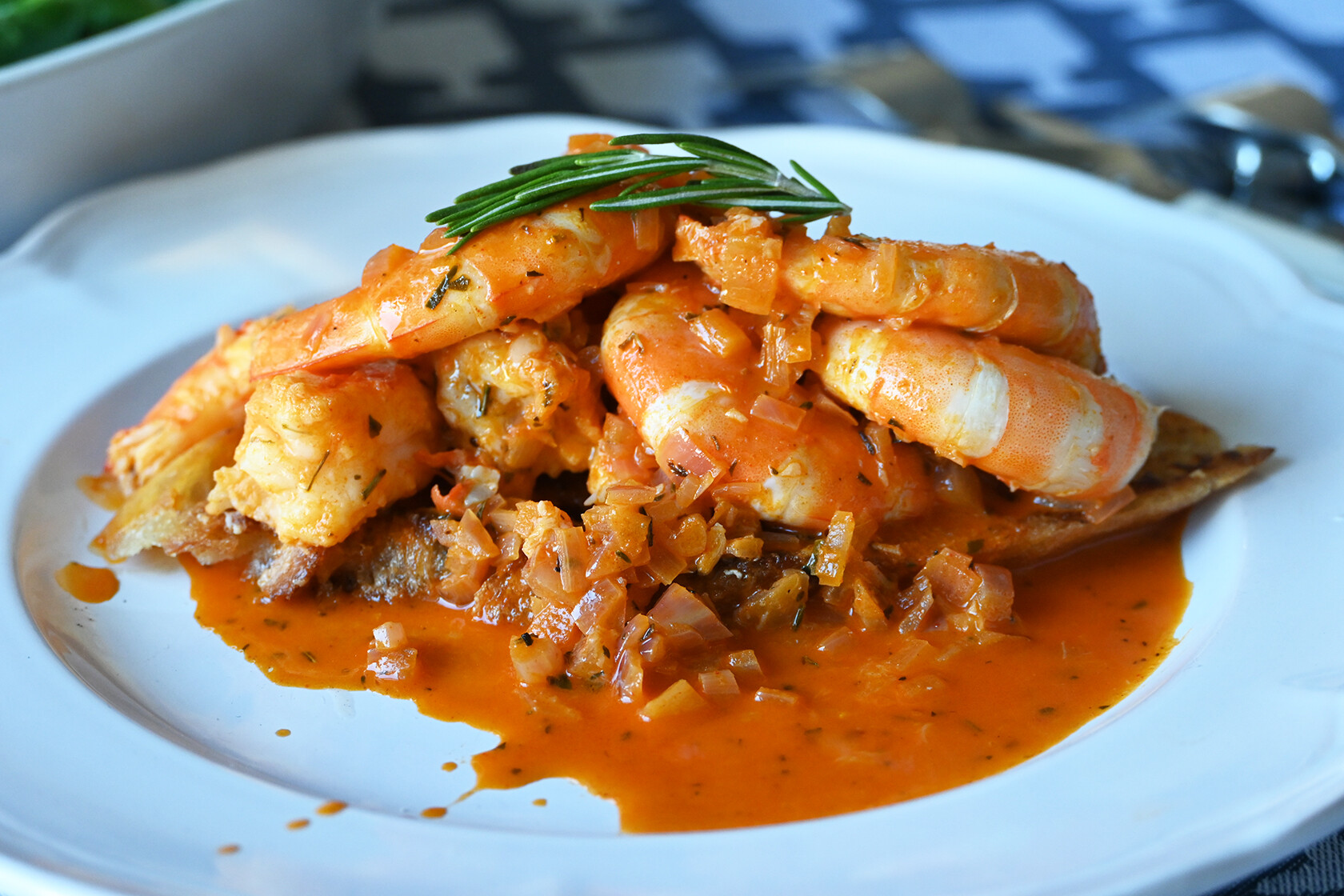
Grilled Seafood
Fish and shrimp are naturally gluten-free.
Safe options include:
- Grilled salmon
- Lemon shrimp
- Tuna steaks
Rice-Based Dishes
Rice remains one of the safest choices.
Popular meals include:
- Rice bowls
- Vegetable pilaf
- Chicken and rice combinations
Gluten-Free Pizza
Many restaurants now serve pizza made with:
- Cauliflower crust
- Rice flour
- Almond flour
Always ask if the pizza is baked separately.
Benefits of Choosing Gluten Free Restaurants
Reduced Health Risks
For people with gluten intolerance, safe dining prevents symptoms such as:
- Bloating
- Fatigue
- Stomach pain
- Nutrient deficiencies
Wider Menu Selection
Specialized restaurants offer creative dishes that appeal to everyone.
Examples include:
- Gluten-free burgers
- Pasta alternatives
- Desserts made from coconut flour
- Fresh fruit pastries
Peace of Mind
Knowing that food is prepared carefully allows customers to relax and enjoy their meals.
Common Mistakes to Avoid
Many diners unknowingly consume hidden gluten.
Assuming All Salads Are Safe
Dressings may contain:
- Malt vinegar
- Wheat starch
- Soy sauce
Ignoring Sauces
Sauces often use flour as a thickening agent.
Examples include:
- Gravy
- Cream sauces
- Marinades
Forgetting About Fried Foods
French fries cooked in shared oil may contain gluten residue.
Always ask about fryer practices.
Tips for Finding the Best Gluten Free Restaurants
Use Restaurant Apps
Mobile applications help users locate nearby gluten-friendly establishments.
Features often include:
- Ratings
- Menus
- Customer photos
- Safety reviews
Call Ahead
Speaking directly with restaurant managers can save time and reduce uncertainty.
Ask about:
- Ingredient sourcing
- Cooking procedures
- Menu customization
Visit During Quiet Hours
Restaurants are less busy during off-peak times.
Staff members can dedicate more attention to special dietary requests.
Gluten-Free Dining While Traveling
Traveling with dietary restrictions can seem stressful.
However, preparation makes a big difference.
Research Before Leaving
Create a list of potential restaurants.
Check:
- Menus online
- Customer experiences
- Operating hours
Carry Emergency Snacks
Helpful snacks include:
- Nuts
- Protein bars
- Dried fruit
- Rice crackers
Learn Key Phrases
If traveling internationally, knowing how to explain gluten intolerance in the local language can be very useful.
Future Trends in Gluten-Free Restaurants
The gluten-free market continues to expand.
Experts predict restaurants will increasingly offer:
Digital Allergen Menus
Interactive menus may allow customers to filter foods based on allergies.
Dedicated Gluten-Free Kitchens
More businesses are expected to create fully gluten-free facilities.
Innovative Ingredients
Chefs are experimenting with:
- Cassava flour
- Teff flour
- Sorghum
- Green banana flour
These ingredients provide excellent texture and nutritional value.
Conclusion
Finding reliable dining options is easier today than ever before. More restaurants understand the importance of allergen safety and are taking meaningful steps to accommodate guests with dietary restrictions. From dedicated kitchens to specialized menus, the industry is becoming more inclusive and customer-focused.
Choosing reputable gluten free restaurants allows people with celiac disease, gluten sensitivity, or personal dietary preferences to enjoy meals without worry. By asking the right questions, reading reviews, and planning ahead, diners can confidently discover delicious food while maintaining their health and well-being.
Frequently Asked Questions
Are gluten free restaurants completely safe for people with celiac disease?
Many are very safe, especially those with dedicated kitchens. However, it is always recommended to ask about preparation methods and cross-contamination prevention.
What foods naturally contain no gluten?
Foods such as fruits, vegetables, eggs, fish, meat, rice, and beans are naturally gluten-free.
Can fast-food restaurants offer gluten-free meals?
Some fast-food chains provide gluten-free menu items, but cross-contact risks may still exist.
How can I know if a restaurant is truly gluten-friendly?
Look for certifications, customer reviews, trained staff, and dedicated preparation areas.
Why are gluten-free meals sometimes more expensive?
Special ingredients, additional preparation steps, and strict safety measures often increase operating costs.










Leave a Reply