

Introduction
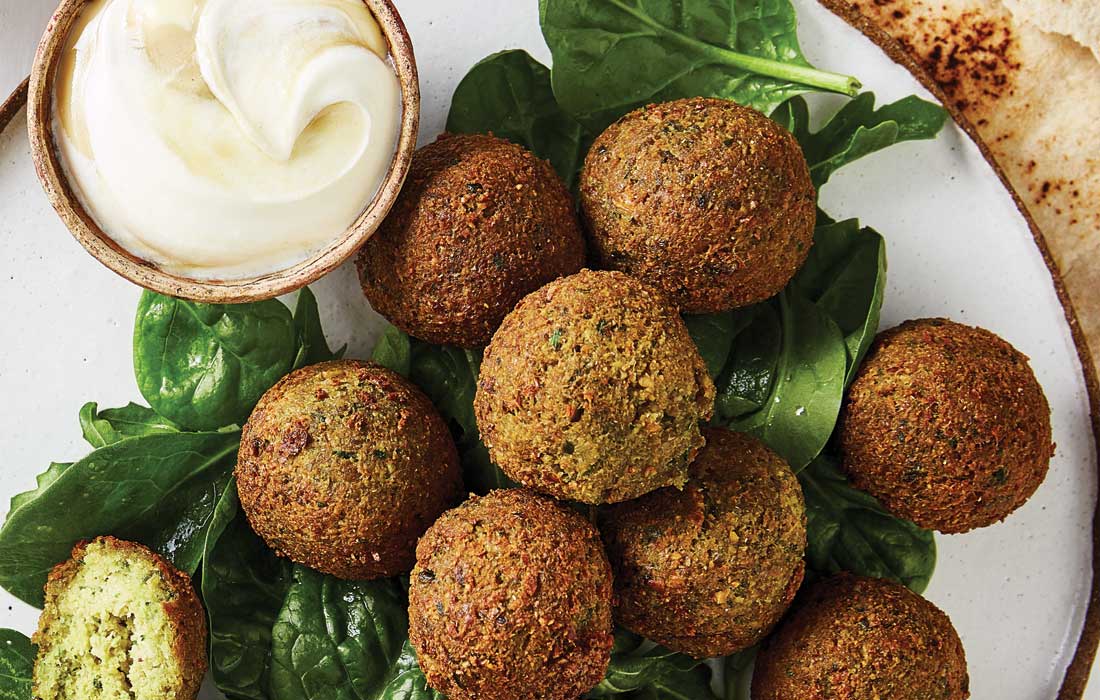
If you have ever enjoyed a crispy, golden-brown ball inside a pita or wrap, you may have wondered what is falafel. Falafel is a popular Middle Eastern food made mainly from chickpeas, fava beans, or a combination of both. Cooks combine the legumes with herbs, spices, onion, and garlic, shape the mixture into balls or patties, and traditionally fry them until crisp.
Today, falafel has moved far beyond its traditional street-food roots. Restaurants and home cooks around the world serve it in pita sandwiches, salads, bowls, and mezze platters. Its flavorful ingredients and plant-based nature have also made it a popular choice for vegetarian and vegan meals.
What is falafel?
So, what is falafel in simple terms? It is a savory fritter prepared from ground legumes mixed with herbs and seasonings. The mixture usually contains soaked chickpeas or fava beans rather than cooked legumes. Fresh parsley or cilantro, onion, garlic, cumin, and coriander commonly add flavor.
Traditional recipes vary from region to region. In Egypt, falafel is often made primarily from fava beans and is commonly called ta’amiya. In many Levantine cuisines, including those of countries such as Lebanon and Syria, chickpeas play a larger role. Some recipes combine chickpeas and fava beans.
Where did falafel come from?
Falafel has a long history in the Middle East, although its exact origin remains debated. Many historical accounts connect the earliest forms of the dish with Egypt, particularly fava-bean-based ta’amiya. Over time, different versions spread throughout the Middle East and surrounding regions.
Because different communities developed their own recipes, there is no single universal style. Ingredients, shapes, seasonings, and serving methods can differ considerably. This regional variety helps explain why falafel tastes slightly different depending on where you eat it.
What is falafel made of?
The basic ingredients are simple, but they create a distinctive flavor and texture.
Main ingredients
- Chickpeas or fava beans: These provide the main structure.
- Parsley and cilantro: Fresh herbs add color and a fresh, earthy taste.
- Onion and garlic: These create a savory foundation.
- Cumin and coriander: These spices give falafel its warm, aromatic character.
- Salt: It balances the other flavors.
- Oil: Traditional recipes use oil for frying.
Some recipes also use baking soda to help create a lighter interior. Modern recipes may introduce additional herbs, spices, or alternative legumes.
What does falafel taste like?
Falafel generally has a crispy exterior and a softer, herb-filled interior. Its flavor combines earthy legumes with fresh herbs, aromatic garlic and onion, and warm spices.
Freshly cooked falafel often has a particularly appealing contrast between its crunchy outside and tender center. The flavor can also change depending on the ingredients and cooking method. A recipe with more herbs may taste brighter, while one with stronger cumin or coriander may have a deeper spice profile.
How is falafel prepared?
Traditional preparation begins by soaking dried chickpeas or fava beans. The softened legumes are then ground with herbs, onions, garlic, and spices. Cooks shape the mixture into small balls or patties before cooking them.
Deep-frying remains one of the most traditional methods and produces a particularly crisp exterior. Some modern recipes bake the mixture instead. Baking can reduce the amount of added oil while still producing a flavorful result, although the texture differs from traditionally fried .
How is falafel served?
One of the reasons remains so popular is its versatility.
A classic serving method places inside pita bread with vegetables, pickles, and sauce. Tahini is one of the most common accompaniments. Tomatoes, cucumbers, lettuce, cabbage, and hot sauce can also appear in a sandwich or wrap.
also works well as part of a mezze spread. It can sit alongside hummus, salads, pickled vegetables, and other small dishes. Some people serve individual pieces with tahini as an appetizer or snack.
Is falafel healthy?
Falafel can provide useful nutrients because its main ingredients are legumes. Chickpeas and fava beans contain plant protein and dietary fiber, along with various vitamins and minerals. WebMD notes that a 100-gram serving of one frozen chickpea falafel product provides protein and dietary fiber, although nutritional values vary considerably between products and recipes.
However, preparation matters. Traditionally fried contains more fat and calories than a baked version. Sauces, pita, and other toppings can also change the overall nutritional profile of a meal.
For a balanced meal, you can pair with vegetables, salads, and other nutrient-rich foods.
Is falafel vegetarian and vegan?
Traditional itself is generally vegetarian and commonly vegan because its core ingredients come from plants. However, preparation and serving ingredients can vary, so people with specific dietary requirements should check the recipe or restaurant ingredients.
can also fit naturally into plant-based meals because legumes provide protein and fiber while herbs and vegetables add flavor and variety.
Why is falafel so popular?
combines several qualities that make it appealing. It is flavorful, filling, versatile, and relatively simple in its basic ingredients. It also works as a snack, sandwich filling, appetizer, or main meal.
Its popularity has grown internationally, with now appearing on restaurant menus and in supermarkets far beyond the Middle East. Modern cooks continue to experiment with different herbs, legumes, shapes, and cooking methods while keeping the basic idea intact.
Frequently Asked Questions
What is falafel made from?
Falafel is usually made from chickpeas, fava beans, or both. Herbs such as parsley and cilantro, along with onion, garlic, cumin, and coriander, are also common ingredients.
Is falafel a Middle Eastern food?
Yes. Falafel is strongly associated with Middle Eastern cuisine and has become a popular street food throughout the region. Its exact historical origin remains debated, with Egypt commonly cited in historical discussions.
Can falafel be baked?
Yes. Although traditional falafel is commonly fried, cooks can bake it. Baking changes the texture and can reduce the amount of oil used during preparation.
What do you eat with falafel?
Common accompaniments include pita bread, tahini sauce, pickled vegetables, tomatoes, cucumbers, lettuce, cabbage, hummus, and salads.
Is falafel made from meat?
No. Traditional falafel uses legumes, herbs, spices, and aromatics rather than meat. This makes it a popular vegetarian food.
Conclusion
Understanding reveals why this simple dish has become such a widely loved food. Made from legumes, fresh herbs, spices, onion, and garlic, falafel offers a satisfying combination of crisp texture and flavorful ingredients. Regional recipes give it many different identities while preserving its basic character.
Whether tucked into warm pita, served with tahini, added to a salad, or presented on a mezze platter, falafel offers plenty of ways to enjoy it. Its long culinary history, plant-based ingredients, and versatility have helped turn this traditional Middle Eastern food into a globally recognized favorite.






Leave a Reply