

Introduction
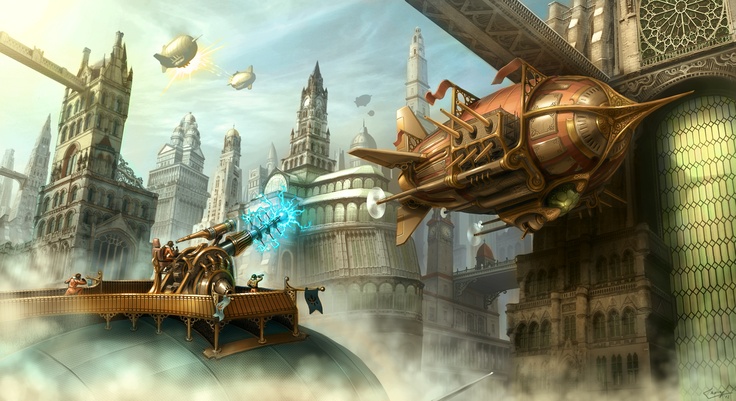
The genre steampunk combines the charm of the past with imaginative ideas about the future. It usually takes inspiration from the Victorian era, the Industrial Revolution, steam engines, mechanical inventions, and nineteenth-century fashion. Instead of following real history, steampunk asks an exciting question: what might the world look like if advanced technology had developed using steam, gears, clockwork, and other old-fashioned engineering?
Today, steampunk extends far beyond books. It appears in movies, games, art, clothing, architecture, and creative communities. Its distinctive mixture of brass machinery, elaborate inventions, airships, goggles, Victorian clothing, and alternative history gives it a visual identity that people can recognize immediately.
What Is the Genre Steampunk?
The genre steampunk is generally considered a subgenre of science fiction, although many stories also include fantasy, historical fiction, horror, and alternate-history elements. The Oxford Advanced Learner’s Dictionary describes it as science fiction set in a period when machines rely on steam power, often during the nineteenth century.
A typical steampunk world may resemble Victorian Britain or another nineteenth-century setting, but its technology looks far more advanced than historical technology. Characters might travel in sophisticated airships, use mechanical computers, encounter automatons, or operate elaborate steam-powered machines.
The key idea is not simply “old-fashioned technology.” Steampunk creates a fictional version of the past in which technology develops along a different path.
The History Behind Steampunk
Although the word is relatively modern, many ideas associated with steampunk appeared in much older science fiction. Writers such as Jules Verne and H. G. Wells imagined remarkable machines, unusual transportation, futuristic inventions, and scientific adventures. Their work later became an important influence on steampunk storytelling.
The term itself emerged in the 1980s. Science-fiction writer K. W. Jeter coined “steampunk” in 1987 as a playful variation on “cyberpunk.”
Earlier works can therefore contain steampunk ideas even though their authors never used the term. Modern writers developed these ideas into a recognizable genre and eventually expanded them into a broader artistic and cultural movement.
Key Features of the Genre Steampunk
Several elements frequently appear in the genre steampunk.
Steam-Powered Technology
Steam is one of the most recognizable features. Fictional machines often use boilers, pistons, pipes, gears, and mechanical controls. Writers can turn familiar nineteenth-century engineering into technology capable of performing extraordinary tasks.
Victorian and Industrial Design
Steampunk often borrows visual ideas from Victorian society and the Industrial Revolution. Brass, wood, leather, metal, clockwork parts, ornate furniture, old machinery, and elaborate mechanical designs can all contribute to the atmosphere.
Alternative History
Many steampunk stories change historical events. A familiar nineteenth-century world may develop differently because inventors discover new machines or societies adopt unusual technologies.
Airships and Fantastic Machines
Airships remain a popular image within steampunk. Stories may feature enormous flying vessels, mechanical transportation, unusual robots, advanced prosthetic devices, or imaginary machines inspired by nineteenth-century science.
Exploration and Invention
Inventors, explorers, scientists, engineers, adventurers, and detectives often fit naturally into steampunk settings. Their curiosity creates opportunities for mysteries, journeys, discoveries, and conflicts.
Steampunk Literature
Literature helped establish many of the ideas that later became central to the genre steampunk. Modern steampunk writers often combine historical settings with speculative technology and alternative versions of familiar events.
Some works focus heavily on technology and invention, while others blend steampunk with fantasy or adventure. Young-adult fiction has also embraced the style, showing that steampunk can support accessible stories as well as complex historical and social themes.
Rather than simply recreating the Victorian era, strong steampunk fiction often uses the setting to explore questions about progress, society, power, technology, and the relationship between humans and machines.
Steampunk in Fashion and Art
The genre steampunk has influenced fashion as much as literature. Steampunk-inspired clothing can combine Victorian silhouettes with mechanical accessories and imaginative details. Goggles, waistcoats, boots, hats, watches, leather accessories, and metal decorations often appear in the style.
Artists also use gears, pipes, mechanical illustrations, old maps, industrial objects, and antique-looking materials to create a recognizable steampunk appearance.
Importantly, modern steampunk does not require historical accuracy. Creators can mix old and new ideas to develop their own interpretation of the aesthetic. The movement has become a broader subculture involving fashion, visual art, music, literature, and creative design.
Why Is Steampunk So Popular?
One reason for the popularity of the genre steampunk is its unusual combination of familiarity and imagination. People recognize Victorian clothing and old industrial machinery, but steampunk transforms them into something unexpected.
The genre also provides an alternative way to think about technological progress. Instead of imagining the future through computers, smartphones, and digital networks, it asks what could happen if mechanical engineering remained dominant.
Academic discussions of steampunk often connect it with retrofuturism and ideas about progress. The genre can encourage audiences to reconsider how technology shapes society and how people imagine the future.
Steampunk Beyond Books
Steampunk now appears across many forms of entertainment and creative expression. Films, television, comics, video games, artwork, costumes, exhibitions, and themed events have all adopted its visual language.
Its influence also appears in modified everyday objects. Designers and hobbyists can transform modern items with antique-inspired materials, gears, wood, brass-like finishes, and mechanical decoration. This allows the steampunk aesthetic to move from fictional worlds into real-life creative projects.
Is Steampunk Science Fiction or Fantasy?
The genre steampunk usually belongs to science fiction, but it does not have strict boundaries. Some stories focus on speculative engineering and alternate history, while others introduce magic, supernatural creatures, or fantasy worlds.
This flexibility makes steampunk a useful crossover style. A story can include historical characters, scientific inventions, fantasy adventures, mystery, horror, or political themes while still maintaining a steampunk atmosphere.
Frequently Asked Questions
What does steampunk mean?
Steampunk describes a style of speculative fiction and art that combines nineteenth-century or Victorian-inspired settings with advanced, imaginative technology, especially steam-powered machinery.
Who coined the term steampunk?
Science-fiction writer K. W. Jeter is widely credited with coining the term “steampunk” in 1987, using it as a playful reference to cyberpunk.
Is steampunk based on the Victorian era?
Many steampunk stories use Victorian or Victorian-like settings, but the genre can also take place in other historical periods, alternative worlds, or fictional timelines.
What technology appears in steampunk?
Common examples include steam engines, clockwork devices, airships, mechanical computers, automatons, unusual vehicles, and fictional inventions inspired by nineteenth-century engineering.
Is steampunk still popular?
Yes. Steampunk continues to influence literature, fashion, art, entertainment, design, and creative communities.
Conclusion
The genre steampunk offers a fascinating bridge between history and imagination. It takes the machinery, fashion, architecture, and scientific enthusiasm of the nineteenth century and gives them a speculative twist. Steam engines become extraordinary inventions, Victorian cities become futuristic playgrounds, and mechanical technology can reshape entire societies.
More than an aesthetic, steampunk provides a way to explore ideas about invention, progress, history, and human creativity. Its ability to combine science fiction with fantasy, adventure, fashion, and art explains why it continues to attract new readers and creators. Whether experienced through a novel, artwork, film, costume, or fictional machine, steampunk remains one of speculative fiction’s most distinctive and imaginative styles.






Leave a Reply