

Introduction
Sea glass is one of the most fascinating treasures you can discover along a coastline. These smooth, frosted pieces may look like colorful stones, but they actually began as ordinary glass from bottles, jars, tableware, windows, or other objects. Over many years, waves, sand, saltwater, and natural weathering transform broken glass into rounded pieces with a distinctive soft, matte surface.
The beauty of sea glass comes from its combination of nature and history. Each piece has a story. It may have started as a household bottle many decades ago before finding its way into the ocean. Today, collectors, artists, jewelry makers, and beachcombers appreciate these small treasures for their colors, textures, shapes, and historical character.
How Does Sea Glass Form?
The process begins when glass enters a coastal environment. In the past, glass could reach the sea through accidental loss, shipwrecks, dumping, or discarded waste. Once broken glass reaches the water, waves repeatedly move it against sand, rocks, and other debris.
This constant movement gradually removes sharp edges. At the same time, exposure to seawater and environmental conditions changes the surface of the glass, creating the familiar frosted appearance.
The transformation takes years rather than days. Some modern guides estimate that noticeable sea glass can develop over decades, while particularly mature pieces may have spent much longer in the environment.
The result is a piece that feels completely different from ordinary broken glass. Its edges become smoother, its surface becomes textured, and its original appearance can change significantly.
Why Is Sea Glass Frosted?
Frosting is one of the easiest features to recognize. Ordinary glass usually has a clear, shiny surface, while genuine sea glass often looks cloudy or matte.
Natural weathering gradually alters the outer surface of the glass. The combination of water, minerals, sand, and constant movement contributes to this distinctive finish. Heavily weathered pieces can have a deep, velvety appearance that collectors often find especially attractive.
The amount of frosting can also provide clues about how long and intensely a piece has weathered. However, frosting alone cannot provide an exact age because environmental conditions vary from beach to beach.
Popular Sea Glass Colors
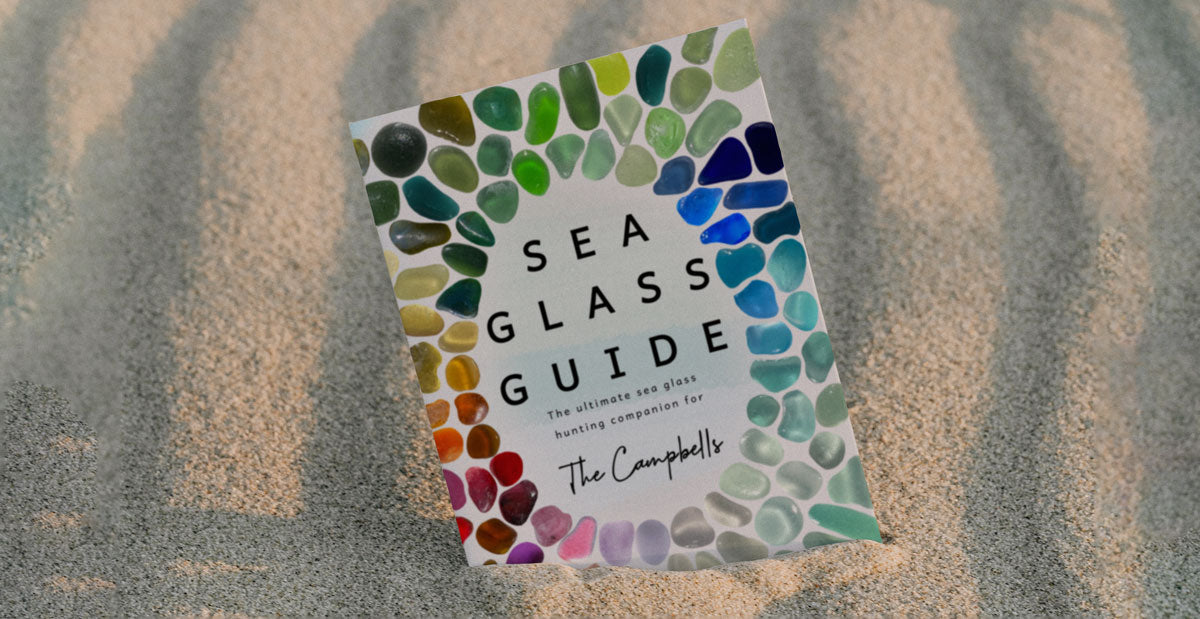
Color is one of the biggest attractions for collectors. The original glass object largely determines the color of the finished piece.
White and Clear
White or frosted clear pieces are among the most common finds. They can originate from bottles, jars, tableware, windows, and other clear-glass products.
Although common, a large, well-frosted piece can still look beautiful and make an excellent addition to a collection.
Green
Green is another familiar color. Beverage bottles, including beer and wine bottles, contributed large quantities of green glass over the years. Green can range from pale seafoam to darker forest shades.
Brown and Amber
Brown and amber pieces often trace their origins to beverage, medicine, and other containers. Their warm colors look particularly attractive when sunlight passes through them.
Blue
Blue sea glass attracts attention because it appears less frequently than the most common white, green, and brown varieties. Shades can range from pale blue to deep cobalt.
Purple, Pink, Red, and Orange
Some colors are considerably harder to find. Purple, pink, red, and orange can be especially desirable among collectors.
Red and orange rank among the rarest colors in many general rarity guides, although rarity varies according to the location and history of an individual beach.
Why Are Some Colors Rare?
The rarity of a color usually connects to the original production and use of the glass.
Everyday products were manufactured in enormous quantities. As a result, their colors appear more frequently in coastal glass collections. Specialty products, decorative objects, unusual bottles, and limited-production glass entered the environment in much smaller quantities.
For example, cobalt blue glass was historically associated with certain pharmaceutical and specialty containers. Red glass also had specialized uses, while orange glass was produced far less commonly.
However, rarity is not universal. A color that is uncommon on one beach may appear regularly somewhere else because of local industrial, commercial, or shipping history.
How to Recognize Genuine Sea Glass
Not every smooth piece of glass found near water is naturally formed sea glass. Authentic examples generally show several characteristics.
First, look for a frosted or matte surface rather than a perfectly shiny finish. Next, examine the edges. Natural weathering usually produces rounded, softened edges instead of freshly sharp ones.
The surface should also look naturally weathered rather than artificially etched. Collectors often examine the thickness, color, bubbles, markings, and overall texture for additional clues.
Location matters too. Beaches near old settlements, harbors, historic communities, and former industrial areas can have different types of glass because of their history.
Sea Glass and Beachcombing
Searching for sea glass can turn an ordinary beach walk into a fascinating exploration of history. Instead of simply looking for colorful pieces, beachcombers can learn to notice shapes, textures, colors, and signs of weathering.
The activity also encourages observation. A small piece of green glass may seem ordinary at first, but its thickness, markings, or unusual shade can reveal clues about its original purpose.
Always follow local beach rules, avoid disturbing protected areas, and take care when handling any piece of glass.
Uses of Sea Glass
Many people simply display their collections. Others use sea glass in creative projects such as framed artwork, decorative displays, mosaics, and jewelry.
Artists particularly appreciate sea glass because every naturally weathered piece has a unique shape. Unlike newly manufactured decorative glass, no two pieces have exactly the same history of tumbling and weathering.
Jewelry makers may turn attractive pieces into pendants, earrings, or other decorative designs. Rare colors can become especially eye-catching focal points.
Why Do People Love Sea Glass?
The appeal of sea glass goes beyond appearance. Each piece combines natural weathering with human history.
A simple fragment can represent an object that existed decades ago. The ocean then transformed that discarded material into something people now value for its beauty.
Collectors also enjoy the element of discovery. Finding a common white piece can be satisfying, while discovering an unusual blue, purple, red, or orange piece can feel particularly special.
Frequently Asked Questions
Is sea glass real glass?
Yes. Sea glass consists of genuine glass that has undergone long-term natural weathering in a coastal environment.
What is the most common sea glass color?
White or clear, green, and brown are generally among the most common colors. Their availability can vary depending on the history of a particular beach.
What is the rarest sea glass color?
Orange and red are commonly listed among the rarest colors, but there is no universal ranking for every beach. Local history strongly influences rarity.
Can sea glass be valuable?
Some pieces can have collector value, particularly when they feature unusual colors, attractive shapes, strong frosting, historical significance, or exceptional condition. Rarity alone does not guarantee a particular price.
How old is sea glass?
Individual pieces can have very different histories. The glass itself may be decades or more than a century old, while the weathering process also takes considerable time. Its exact age usually cannot be determined simply by looking at it.
Conclusion
Sea glass offers a remarkable combination of natural beauty and human history. What began as an ordinary glass object can spend years exposed to waves, sand, and seawater before emerging as a smooth, frosted treasure. Its colors and textures make every piece visually distinctive.
Whether you discover common white glass or an unusual color, the real attraction is the story behind it. Sea glass reminds us that materials can change dramatically over time, and even a small fragment found along a shoreline can carry a fascinating piece of history.








Leave a Reply