

Introduction
Blackening coating is a powerful surface treatment used to protect metal parts and improve their appearance. It creates a dark, smooth finish that not only looks professional but also helps prevent rust and wear. Many industries rely on this coating because it is cost-effective and highly efficient.
From automotive parts to industrial tools, blackeningcoating plays an important role in extending the life of metal products. It is widely used because it enhances durability without changing the size or shape of the material. In this guide, you will learn everything you need to know about this process in simple and easy English.
What is Blackening Coating?
Blackeningcoating is a chemical process applied to metals like steel and iron. It forms a thin black oxide layer on the surface. This layer protects the metal from corrosion and reduces light reflection.
Unlike paint or plating, this coating does not build up thickness. Instead, it reacts with the surface to create a protective layer. This makes it perfect for precision parts where size matters.
How Does Blackening Coating Work?
Chemical Reaction Process
The process involves dipping metal into a special solution. This solution reacts with the surface and forms a black oxide layer. The steps usually include:
- Cleaning the metal surface
- Dipping into the blackening solution
- Rinsing and drying
- Applying oil or wax for extra protection
Temperature-Based Methods
There are different methods depending on temperature:
Hot Blackening
- Done at high temperatures
- Produces a strong and durable finish
- Common in industrial use
Cold Blackening
- Done at room temperature
- Easier and cheaper
- Less durable than hot methods
Mid-Temperature Blackening
- Balance between hot and cold
- Good performance with moderate cost
Top Benefits of Blackening Coating
1. Corrosion Resistance
The coating protects metal from rust and moisture, increasing its lifespan.
2. Attractive Appearance
It gives a clean, black finish that looks professional and smooth.
3. No Size Change
Since it does not add thickness, it keeps parts accurate and precise.
4. Cost-Effective Solution
Compared to other coatings, it is affordable and efficient.
5. Reduced Reflection
Ideal for tools and equipment that should not reflect light.
Common Applications of Blackening Coating
Automotive Industry
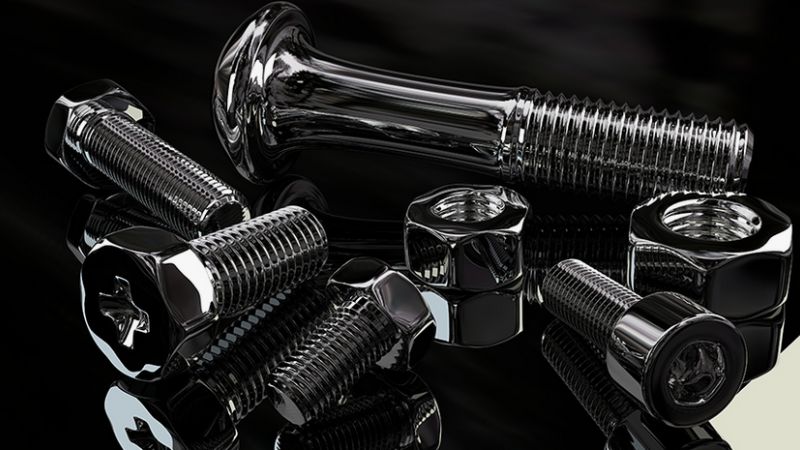
Used for bolts, nuts, and engine parts to improve durability.
Construction Tools
Helps tools resist wear and tear in tough environments.
Firearms and Defense
Provides a non-reflective and protective surface.
Machinery Parts
Used in gears and components for better performance.
Home and Decorative Items
Adds a stylish black finish to metal objects.
Types of Materials Suitable for Blackening
Not all metals can be treated with blackeningcoating. The most suitable materials include:
- Steel
- Stainless steel
- Iron
- Copper (with special processes)
Each material may require a slightly different method for the best results.
Blackening Coating vs Other Coatings
Blackening vs Painting
- Blackening is thinner and more durable
- Paint can chip easily
Blackening vs Plating
- Plating adds thickness
- Blackening keeps original dimensions
Blackening vs Powder Coating
- Powder coating is thicker and decorative
- Blackening is more functional and precise
Step-by-Step Blackening Coating Process
Step 1: Surface Preparation
Clean the metal to remove dirt, oil, and rust.
Step 2: Immersion
Dip the metal into the blackening solution.
Step 3: Reaction
The surface reacts and forms a black oxide layer.
Step 4: Rinsing
Wash off excess chemicals.
Step 5: Sealing
Apply oil or wax for added protection.
Maintenance Tips for Blackened Surfaces
To keep the coating effective:
- Apply oil regularly
- Avoid harsh chemicals
- Keep surfaces clean and dry
- Store in low-humidity areas
Proper care can extend the life of the coating significantly.
Is Blackening Coating Eco-Friendly?
Yes, modern blackening coating processes are designed to be environmentally friendly. Many solutions are water-based and produce minimal waste. However, proper disposal of chemicals is still important.
Why Businesses Prefer Blackening Coating
Businesseschoose blackening coating because it offers:
- Long-lasting protection
- Professional appearance
- Low production cost
- Fast processing time
These advantages make it ideal for large-scale manufacturing and industrial use.
Conclusion
Blackeningcoating is one of the most effective ways to protect metal surfaces while maintaining their original size and shape. It offers a perfect balance between durability, cost, and appearance. Whether used in industrial machinery or everyday tools, this coating ensures better performance and longer life.
In today’s competitive market, choosing the right surface treatment is essential. Blackeningcoating stands out as a reliable and efficient option for both small and large applications. By understanding its process and benefits, you can make smarter decisions for your projects and business needs.
FAQs About Blackening Coating
1. What is the main purpose of blackening coating?
It protects metal from corrosion and improves appearance.
2. Is blackening coating durable?
Yes, especially when sealed with oil or wax.
3. Can stainless steel be blackened?
Yes, but it requires special processes.
4. Does blackening coating prevent rust completely?
It reduces rust but works best with proper maintenance.
5. Is it expensive?
No, it is one of the most cost-effective coating methods.
6. How long does the coating last?
With proper care, it can last for years.
SEO Title
Blackening Coating Guide: Benefits, Process, Types & Uses for Long-Lasting Protection






Leave a Reply