
Introduction
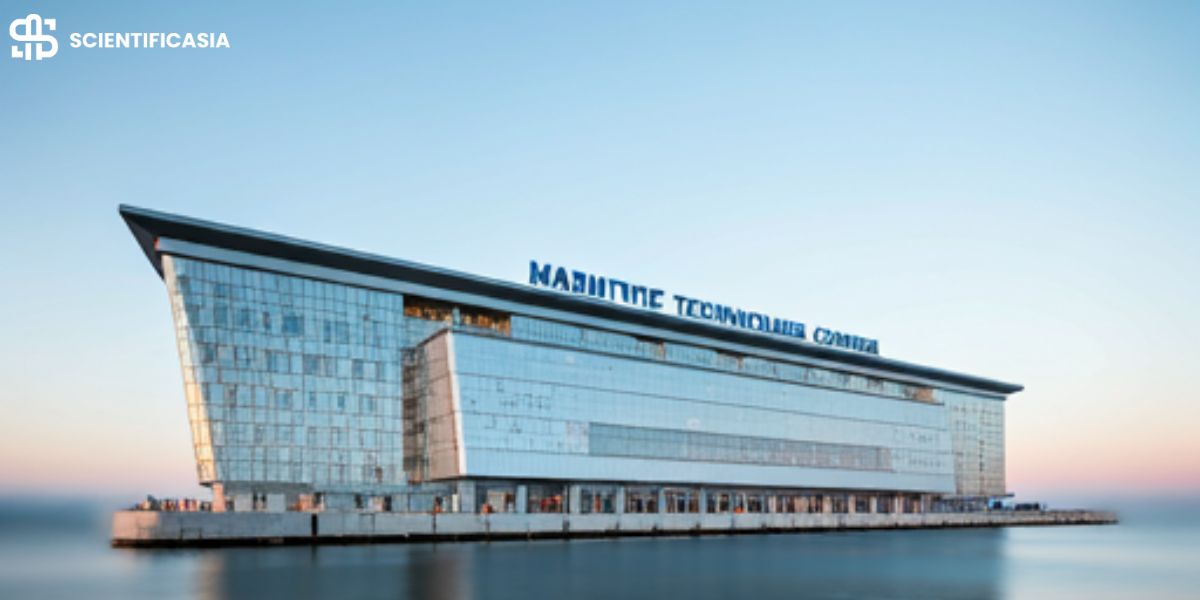
The maritime industry is changing faster than ever before. New digital systems, smart ships, automated ports, and eco-friendly marine solutions are shaping the future of global trade and ocean exploration. At the center of this transformation stands the maritime technologies complex, a powerful hub of innovation that combines engineering, research, manufacturing, and advanced marine systems.
Today, countries around the world are investing heavily in marine infrastructure and smart ocean technologies. These developments are helping improve shipping efficiency, naval defense, offshore energy projects, and environmental sustainability. The rise of modern marine systems is not only boosting international trade but also creating new business opportunities and jobs.
A maritime technologies complex is more than just a shipbuilding center. It is a complete ecosystem where experts design, test, and improve marine technologies. From robotics and underwater drones to smart navigation systems and renewable ocean energy, these complexes are becoming essential for the future of global maritime industries.
In this detailed guide, you will learn how maritime technology complexes work, their major benefits, important features, and why they are becoming a key driver of economic growth worldwide.
What Is a Maritime Technologies Complex?
A maritime technologies complex is a specialized industrial and research center focused on marine and ocean-related technologies. It combines multiple sectors such as:
- Shipbuilding
- Marine engineering
- Naval defense systems
- Smart port technology
- Offshore energy solutions
- Ocean research
- Underwater robotics
- Maritime cybersecurity
These complexes often include research laboratories, manufacturing facilities, testing zones, educational institutions, and technology development centers. Their main goal is to improve marine operations through innovation and advanced technology.
Why Maritime Technologies Matter Today
Growing Global Trade
More than 80% of world trade moves through sea routes. Modern shipping companies need advanced systems to ensure safe, fast, and cost-effective transportation. Smart marine technologies help reduce delays and improve logistics management.
Environmental Protection
The maritime sector is under pressure to reduce pollution and carbon emissions. Modern marine technologies support cleaner fuel systems, electric vessels, and eco-friendly shipping methods.
National Security
Many countries use maritime technology complexes to strengthen naval defense capabilities. Advanced radar systems, surveillance technologies, and autonomous vessels improve maritime security.
Smart Automation
Artificial intelligence and automation are revolutionizing marine operations. Smart ports and autonomous ships are helping reduce human errors and increase efficiency.
Key Features of a Maritime Technologies Complex
Advanced Shipbuilding Facilities
Modern complexes use robotic manufacturing and automated assembly lines to build advanced ships. These facilities improve production speed and maintain high safety standards.
Smart Vessel Design
Engineers create ships with:
- Fuel-efficient engines
- AI navigation systems
- Digital monitoring tools
- Eco-friendly materials
These innovations help reduce operational costs and improve performance.
Marine Research and Development Centers
Research facilities are one of the most important parts of a maritime technologies complex. Scientists and engineers work together to develop new marine technologies for commercial and defense purposes.
Areas of Research
Research centers often focus on:
- Ocean mapping
- Marine robotics
- Renewable ocean energy
- Climate monitoring
- Deep-sea exploration
This research supports long-term growth and environmental sustainability.
Smart Port Technology
Modern ports are becoming fully digital. Smart systems use sensors, automation, and data analytics to improve cargo handling and shipping operations.
Benefits of Smart Ports
- Faster loading and unloading
- Reduced traffic congestion
- Better security monitoring
- Lower fuel consumption
- Improved supply chain efficiency
These systems help ports operate more effectively in a highly competitive global market.
Maritime Cybersecurity Systems
As ships and ports become more digital, cybersecurity becomes increasingly important. Marine industries now depend on secure networks to protect navigation systems and communication technologies.
Common Cybersecurity Solutions
- Real-time threat detection
- Secure communication systems
- Data protection tools
- AI-powered monitoring systems
Cybersecurity is now a major focus area within every successful maritime technology hub.
Economic Benefits of Maritime Technologies Complexes
Job Creation
A maritime technologies complex creates thousands of jobs in engineering, manufacturing, research, logistics, and IT services. Skilled professionals are needed to operate advanced marine systems.
Boosting International Trade
Efficient ports and shipping systems increase trade opportunities and attract global investment. Countries with strong maritime infrastructure often become major trade hubs.
Supporting Local Industries
Marine technology centers also support local businesses such as:
- Steel manufacturing
- Electronics production
- Software development
- Logistics services
This creates a positive economic impact across multiple industries.
Role of Artificial Intelligence in Maritime Technology
Artificial intelligence is becoming a game changer in the maritime sector. AI-powered systems can analyze large amounts of data and improve decision-making.
AI Applications in Marine Industries
Predictive Maintenance
AI systems can identify equipment problems before failures happen. This reduces repair costs and prevents operational downtime.
Autonomous Ships
Some companies are developing self-driving ships that use sensors and AI navigation tools to operate safely with minimal human involvement.
Route Optimization
AI helps shipping companies choose the fastest and most fuel-efficient routes based on weather and ocean conditions.
The use of AI inside a maritime technologies complex continues to grow rapidly as industries demand smarter and safer operations.
Sustainable Marine Technologies
Environmental sustainability is now one of the top priorities for maritime industries worldwide.
Green Shipping Solutions
Modern marine systems focus on reducing environmental damage through:
- Hybrid engines
- Electric vessels
- Alternative fuels
- Waste management systems
Renewable Ocean Energy
Many maritime complexes are investing in renewable energy projects such as:
- Offshore wind farms
- Wave energy systems
- Tidal power generation
These solutions help reduce dependence on fossil fuels and support cleaner energy production.
Future Trends in Maritime Technology
The future of maritime innovation looks extremely promising. Several new technologies are expected to transform marine industries in the coming years.
Digital Twin Technology
Digital twins create virtual models of ships and ports. Operators can monitor performance in real time and predict maintenance needs more accurately.
Underwater Robotics
Autonomous underwater vehicles are improving deep-sea research, pipeline inspections, and marine exploration projects.
Blockchain in Shipping
Blockchain technology can improve transparency and security in global shipping transactions and cargo tracking.
The global demand for a strong maritime technologies complex will continue increasing as these innovations become more common.
Challenges Facing Maritime Technology Development
Despite rapid progress, the maritime industry still faces several challenges.
High Development Costs
Building advanced marine infrastructure requires major financial investment.
Skilled Workforce Shortage
The industry needs more trained engineers, technicians, and cybersecurity experts.
Environmental Regulations
Companies must follow strict international environmental laws while maintaining operational efficiency.
Overcoming these challenges will require cooperation between governments, private industries, and research institutions.
Conclusion
The maritime industry is entering a new era of digital transformation, automation, and sustainability. A modern maritime technologies complex plays a critical role in shaping the future of global shipping, ocean research, naval defense, and renewable energy development.
These advanced centers combine innovation, research, and manufacturing to improve marine operations and create smarter solutions for global trade. From AI-powered ships to green energy systems, maritime technologies are helping industries become more efficient, secure, and environmentally friendly.
As global demand for advanced marine systems continues to grow, countries investing in maritime innovation will gain strong economic and strategic advantages. The future of ocean technology is bright, and maritime technology complexes will remain at the heart of this exciting transformation.
FAQs About Maritime Technologies Complex
What is a maritime technologies complex?
A maritime technologies complex is a specialized center that develops marine technologies, shipbuilding systems, smart ports, and ocean research solutions.
Why is maritime technology important?
Maritime technology improves shipping efficiency, strengthens security, supports global trade, and promotes environmental sustainability.
What industries benefit from maritime technology?
Industries such as shipping, defense, offshore energy, logistics, research, and manufacturing benefit from maritime innovations.
How does AI help the maritime industry?
AI improves navigation, predictive maintenance, cargo management, and route optimization for safer and more efficient marine operations.
What are smart ports?
Smart ports use digital systems, automation, and data analytics to improve cargo handling, security, and shipping efficiency.
What is the future of maritime technology?
The future includes autonomous ships, renewable ocean energy, underwater robotics, and advanced digital marine systems.










Leave a Reply