

Introduction
The phrase spotted silver often brings to mind the beautiful Spotted Silver Dollar, a freshwater fish admired for its shimmering body and distinctive dark markings. Its scientific name is Metynnis lippincottianus, and it belongs to the Serrasalmidae family, the same broader family that includes pacus and piranhas. Despite that family connection, this fish generally has a peaceful nature and works well in suitable community aquariums.
With its rounded, laterally compressed body and metallic appearance, the fish creates an impressive display as it moves through the water. It naturally occurs in parts of Brazil and French Guiana, where it lives in groups in calmer river areas surrounded by vegetation. Understanding its natural lifestyle can help aquarium keepers provide a more appropriate environment.
What Is Spotted Silver?
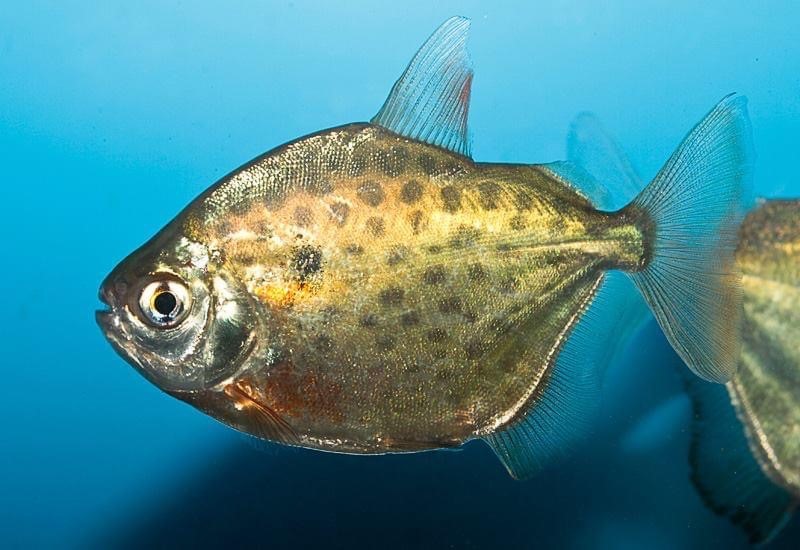
Spotted silver commonly refers to the Spotted Silver Dollar, particularly Metynnis lippincottianus. The species gets its common name from its shiny silver coloration combined with dark spots across its body. Some aquarium sources also use “Spotted Silver Dollar” for closely related Metynnis species, so common names can sometimes cause confusion.
This fish has a deep, disc-like body that gives the silver dollar group its familiar appearance. Adults can reach around 16.5 cm (6.5 inches) according to Fishkeeper, although size can vary depending on the species and conditions.
Appearance and Distinctive Features
The most noticeable feature is the bright, reflective body. Light can produce a metallic shimmer as the fish swims, while the darker spots create a strong contrast.
The spots help distinguish this fish from plain silver dollar varieties. Depending on the individual, age, and conditions, the intensity and arrangement of markings can vary. Mature males may develop a slightly longer anal fin, sometimes showing a reddish tint.
Its flattened body also allows it to move efficiently through areas containing aquatic plants and submerged vegetation. The overall combination of shape, shine, and markings makes it an attractive choice for large freshwater displays.
Natural Habitat
The species occurs in Brazil and French Guiana, including areas associated with the Amazon basin and the Rio Oyapock. In nature, these fish form large groups and often inhabit calmer sections of rivers where marginal and overhanging vegetation provides cover.
This natural behavior explains why keeping them in groups can be important in captivity. They are social fish rather than solitary animals. A well-planned aquarium should therefore provide plenty of swimming room along with areas where the fish can feel secure.
Size and Growth
A common mistake among new aquarium keepers involves underestimating the eventual size of silver dollar fish. Juveniles may look small in a shop aquarium, but adults require considerably more swimming space.
Fishkeeper lists a maximum size of about 16.5 cm for Metynnis lippincottianus. Because these fish also prefer company, aquarium planning should consider the needs of the entire group rather than just one specimen.
A spacious aquarium gives them room to swim naturally and reduces unnecessary competition for space.
Aquarium Environment
A large aquarium with open swimming space works best. The fish naturally lives in calmer tropical waters, so an aquarium should provide stable, clean conditions rather than constantly changing water parameters.
Fishkeeper reports a temperature range of approximately 23–27°C and notes that the species can acclimatize to a relatively broad range of water conditions.
Plants can add natural structure, but there is an important consideration: Spotted Silver Dollars may eat tender aquarium plants. Fishkeeper specifically notes their tendency to consume delicate vegetation.
Diet and Feeding
The spotted silver dollar is not a strict meat-eating predator. Aquarium diets can include quality flakes, granules, pellets, algae wafers, and suitable frozen foods.
A varied diet helps provide balanced nutrition and can make feeding more interesting. Because these fish may consume plant material, including appropriate vegetable-based foods can also complement their natural feeding habits.
Avoid overfeeding. Offering reasonable portions and removing uneaten food helps maintain better aquarium water quality.
Temperament and Tank Mates
Despite belonging to the same family as piranhas, the Spotted Silver Dollar generally has a peaceful temperament. Aquarium sources describe it as a community fish, although very small fish may not always be ideal companions.
Because the species is active and social, compatible tank mates should have similar environmental requirements and should not be so aggressive that they constantly stress the silver dollars.
Keeping an appropriate group can also allow the fish to display more natural schooling behavior.
Common Identification Confusion
The name “silver dollar” covers several related freshwater fish. Metynnis maculatus, for example, is also sold under the name Spotted Silver Dollar.
That means buyers should check the scientific name rather than relying only on the common name. Scientific names provide a much more reliable way to identify the exact species and research its adult size and care requirements.
Why Aquarists Like This Fish
The biggest attraction is its appearance. A group of metallic, spotted fish moving together can create a lively centerpiece in a large freshwater aquarium.
Their peaceful behavior also makes them appealing to keepers who want active schooling fish without choosing highly aggressive species. However, their adult size and plant-eating habits mean they need thoughtful planning rather than a small beginner setup.
Conclusion
The spotted silver dollar is an eye-catching South American freshwater fish with a reflective body, distinctive dark markings, and a naturally social personality. Metynnis lippincottianus can reach a substantial adult size and prefers life in groups, so aquarium keepers should provide enough swimming space and stable tropical water conditions.
Its peaceful temperament, unusual appearance, and active swimming behavior make it an interesting choice for a suitable large community aquarium. By understanding its natural habitat, diet, size, and social behavior, aquarists can create an environment that supports healthier and more natural behavior.
FAQs
What is the spotted silver dollar fish?
It is a South American freshwater fish commonly identified as Metynnis lippincottianus. It has a silvery body with distinctive dark spots.
How large can it become?
Fishkeeper lists a maximum size of about 16.5 cm, or 6.5 inches.
Is it aggressive?
The species is generally considered peaceful and suitable for appropriate community aquariums, although very small tank mates may not be ideal.
Does it eat aquarium plants?
Yes. It can eat tender aquatic plants, so plant selection matters when designing its aquarium.
Where does it naturally live?
It occurs in Brazil and French Guiana, including parts of the Amazon basin and Rio Oyapock region.











Leave a Reply