

Introduction
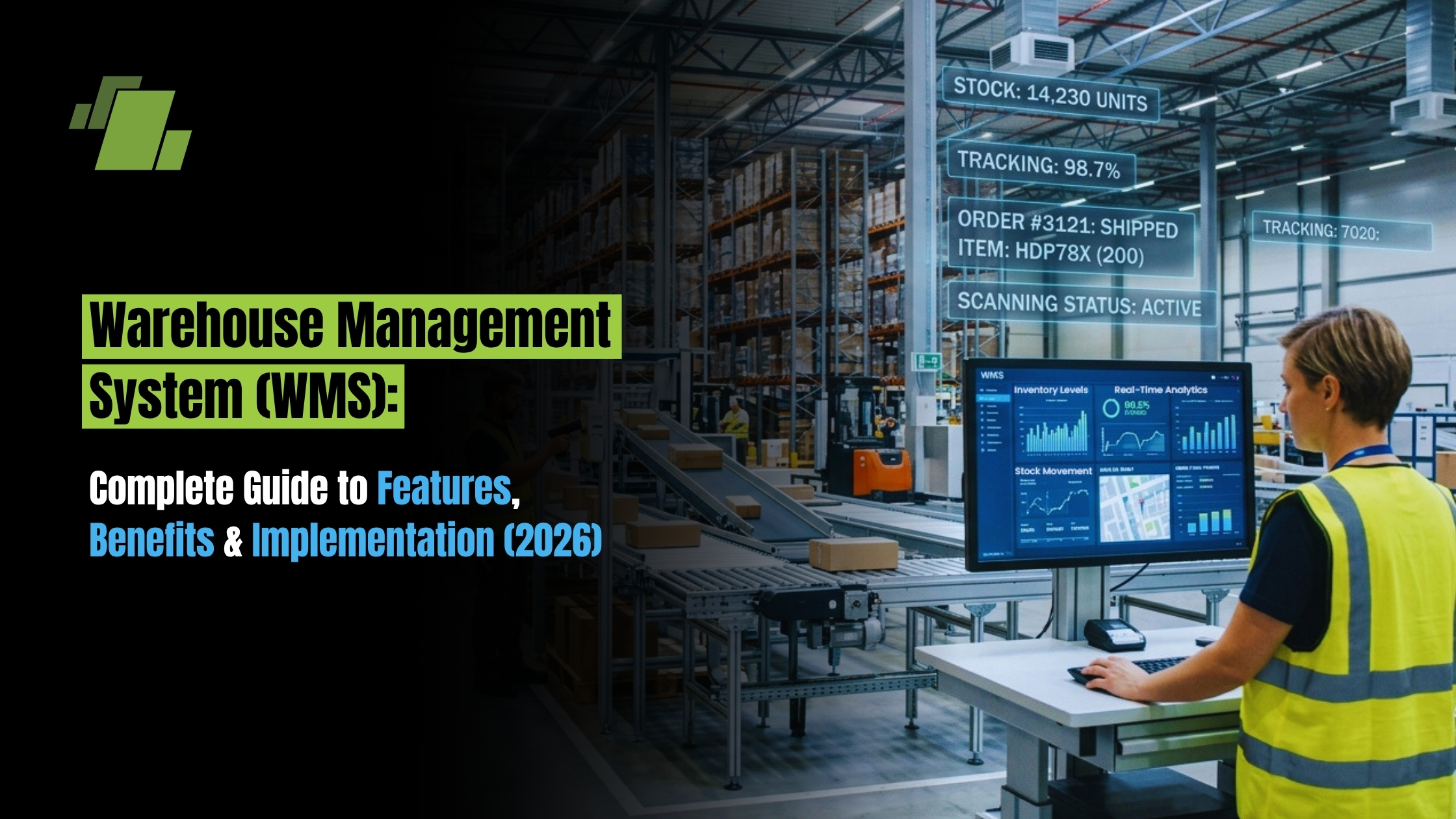
In today’s fast-moving business world, companies need accurate inventory tracking, faster order processing, and better warehouse control. An ERP warehouse system helps businesses manage inventory, shipments, storage, and operations from a single platform. It reduces manual work, minimizes errors, and improves overall productivity.
Whether you run a small business or a large enterprise, warehouse management plays a critical role in customer satisfaction and profitability. With growing customer expectations and increasing competition, investing in an effective ERP warehouse solution has become essential for long-term success.
What Is an ERP Warehouse?
An ERP warehouse is a warehouse management solution integrated within an Enterprise Resource Planning (ERP) system. It connects inventory management, purchasing, sales, logistics, and accounting into one centralized platform.
Instead of using separate software for warehouse operations, businesses can manage everything through a single dashboard. This integration provides real-time visibility into stock levels, order status, and warehouse performance.
How ERP Warehouse Systems Work
software collects and processes data from various departments, including:
- Inventory management
- Purchasing
- Sales
- Shipping
- Production
- Accounting
The system automatically updates information whenever inventory moves, orders are processed, or shipments are completed.
Why Businesses Need ERP Warehouse Solutions
Modern warehouses face several challenges, including inventory inaccuracies, delayed shipments, and inefficient workflows. An ERP solution helps solve these problems through automation and centralized management.
Major Challenges Solved by ERP Systems
Inventory Errors
Manual inventory tracking often leads to mistakes. ERP software provides accurate, real-time inventory updates.
Delayed Order Fulfillment
Automated workflows speed up picking, packing, and shipping processes.
Poor Warehouse Visibility
Managers can monitor stock movement, warehouse performance, and inventory levels instantly.
Higher Operating Costs
Automation reduces labor expenses and eliminates unnecessary operational costs.
Key Features of an ERP Warehouse System
Choosing the right warehouse solution requires understanding its core features.
Real-Time Inventory Tracking
This feature allows businesses to monitor stock levels instantly. Every inventory movement is automatically recorded within the system.
Barcode and RFID Integration
Barcode scanners and RFID technology improve inventory accuracy and reduce manual data entry.
Order Management
ERP systems manage customer orders from placement to delivery, ensuring faster fulfillment and better customer satisfaction.
Warehouse Automation
Automated workflows reduce repetitive tasks and improve operational efficiency.
Inventory Forecasting
Advanced analytics help businesses predict future inventory requirements and avoid stock shortages.
Multi-Warehouse Management
Companies with multiple locations can manage all warehouses through a centralized platform.
Reporting and Analytics
Detailed reports provide insights into inventory turnover, warehouse performance, and operational efficiency.
Benefits of Using ERP Warehouse Software
Organizations adopting solutions experience significant improvements across operations.
Improved Inventory Accuracy
Real-time tracking reduces inventory discrepancies and helps maintain accurate stock records.
Faster Order Processing
Automated workflows accelerate order fulfillment and reduce shipping delays.
Better Customer Satisfaction
Accurate inventory information and timely deliveries improve customer trust and loyalty.
Enhanced Productivity
Warehouse employees spend less time on manual tasks and more time on value-added activities.
Reduced Operational Costs
Automation minimizes labor expenses, inventory waste, and costly errors.
Data-Driven Decision Making
Comprehensive reports help managers make smarter business decisions based on real-time information.
ERP Warehouse Integration with Business Processes
One major advantage of an solution is seamless integration with other business functions.
Purchasing Integration
Inventory levels automatically trigger purchase orders when stock reaches predefined thresholds.
Sales Integration
Sales teams can instantly check inventory availability before confirming customer orders.
Accounting Integration
Inventory transactions automatically update financial records, improving accuracy and compliance.
Supply Chain Management
ERP systems streamline supplier communication and logistics coordination.
Industries That Benefit from ERP Warehouse Systems
Many industries rely on ERP solutions to improve efficiency.
Manufacturing
Manufacturers use ERP software to track raw materials, finished goods, and production inventory.
Retail
Retail businesses manage inventory across stores and warehouses while ensuring product availability.
E-commerce
Online stores use ERP systems to process orders quickly and maintain accurate inventory records.
Wholesale Distribution
Distributors benefit from automated inventory management and streamlined shipping operations.
Healthcare
Medical organizations track supplies, equipment, and pharmaceuticals efficiently.
How to Choose the Best ERP Warehouse Software
Selecting the right solution requires careful evaluation of business needs.
Consider Scalability
Choose software that can grow alongside your business.
Evaluate Integration Capabilities
The system should integrate smoothly with existing business applications.
Look for Automation Features
Automation improves productivity and reduces operational costs.
Check Reporting Tools
Advanced analytics help monitor performance and identify improvement opportunities.
Assess User Experience
Easy-to-use software improves employee adoption and minimizes training requirements.
Best Practices for ERP Warehouse Implementation
Successful implementation requires planning and preparation.
Define Clear Objectives
Identify business goals before selecting and implementing the system.
Train Employees
Provide comprehensive training to maximize system adoption.
Clean Existing Data
Ensure inventory records are accurate before migration.
Monitor Performance
Track key performance indicators to measure success.
Continuously Optimize Processes
Regularly review workflows and make improvements where needed.
Future Trends in ERP Warehouse Management
Technology continues to transform warehouse operations.
Artificial Intelligence
AI-powered systems improve inventory forecasting and demand planning.
Internet of Things (IoT)
Connected devices provide real-time monitoring.
Cloud-Based ERP Solutions
Cloud technology offers greater flexibility, scalability, and remote access.
Predictive Analytics
Businesses can anticipate inventory needs and optimize stock levels more effectively.
Robotics and Automation
Automated robots are becoming increasingly common in warehouse environments.
Conclusion
As businesses strive for greater efficiency and customer satisfaction, warehouse management becomes more important than ever. An system provides complete visibility into inventory, orders, and operations while reducing errors and improving productivity.
Companies that invest in modern ERP solutions gain a competitive advantage through automation, real-time insights, and streamlined workflows. Whether you operate in manufacturing, retail, healthcare, or e-commerce, implementing the right ERP system can transform your warehouse into a highly efficient business asset.
Final Thoughts
The future of warehouse management lies in digital transformation. Businesses that embrace advanced ERP technologies can improve inventory accuracy, reduce costs, and deliver exceptional customer experiences. Choosing the right ERP solution today can create long-term growth opportunities and operational excellence.
Frequently Asked Questions (FAQs)
What is an ERP warehouse system?
An ERP system is software that integrates operations with inventory, purchasing, sales, logistics, and accounting processes.
How does ERP improve warehouse management?
ERP improves warehouse management through real-time inventory tracking, automation, reporting, and streamlined workflows.
Is ERP warehouse software suitable for small businesses?
Yes. Many ERP solutions offer scalable features that meet the needs of small and growing businesses.
What are the main benefits of ERP warehouse management?
Key benefits include inventory accuracy, reduced costs, faster order fulfillment, improved productivity, and better customer satisfaction.
Can ERP warehouse systems manage multiple locations?
Yes. Most modern ERP solutions support multi-warehouse management through a centralized dashboard.
What industries use ERP warehouse software?
Manufacturing, retail, e-commerce, healthcare, wholesale distribution, and logistics companies commonly use solutions.










Leave a Reply