

Introduction
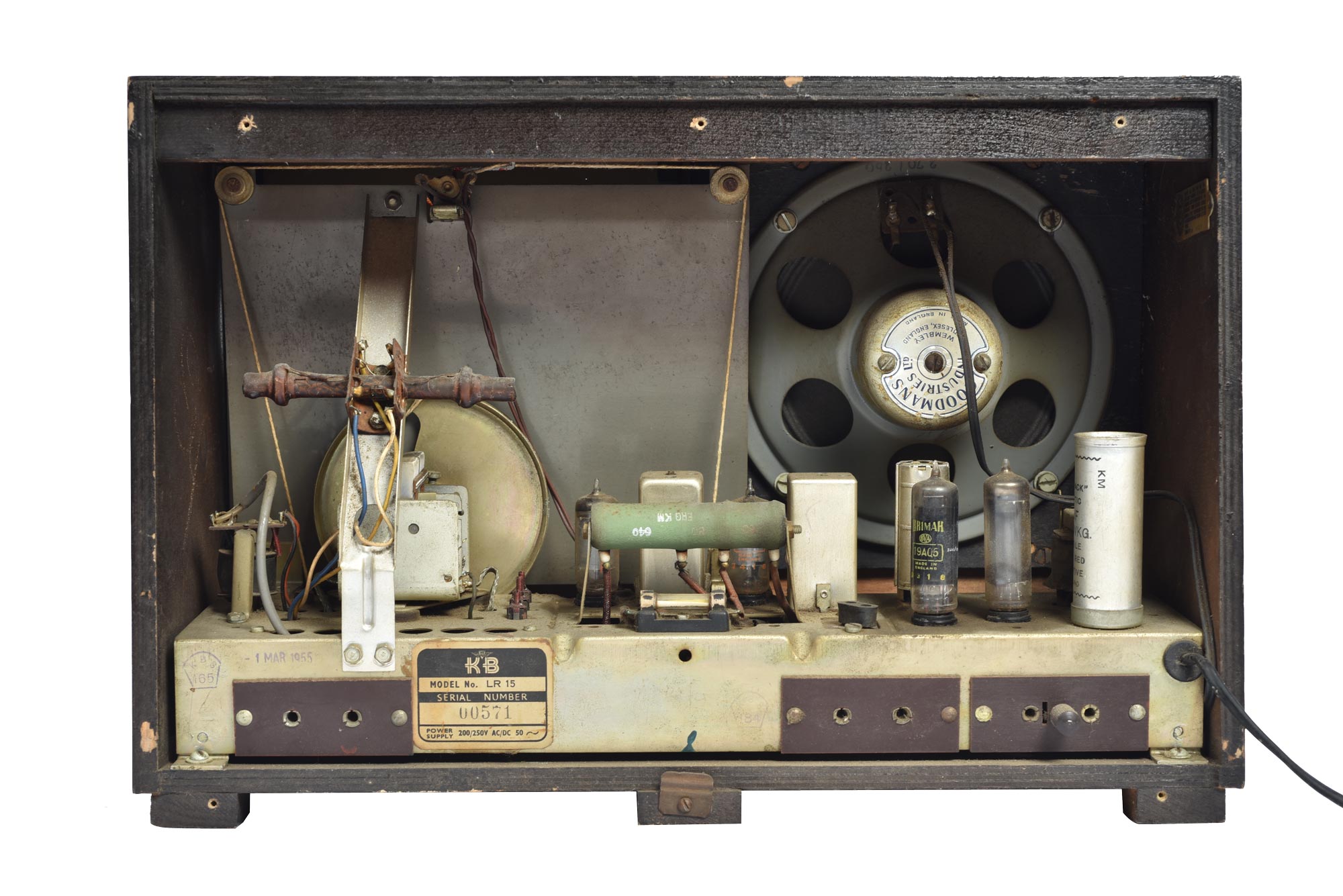
The story of kolster brandes is an interesting chapter in the history of British radio and television. Long before modern smart TVs, streaming services, and wireless speakers became everyday technology, companies such as Kolster-Brandes helped bring electronic entertainment into homes. The company became known for producing radios, loudspeakers, televisions, record players, and other consumer electronics.
What makes kolster brandes especially interesting today is its combination of British manufacturing and American corporate influence. Its roots can be traced to Brandes, a Canadian company established in Toronto in 1908. The British branch later developed into a major manufacturer at Foots Cray in Kent, creating products that are now valuable historical examples of early consumer electronics.
What Was Kolster Brandes?
kolster brandes was an American-owned British manufacturer of radio and television equipment. The company operated from Foots Cray, near Sidcup in Kent, and became associated with a wide range of domestic electronic products.
Its story began with Brandes. After Brandes became part of AT&T in 1922, a British branch called Brandes Ltd was established in Slough in 1924. The business initially concentrated on products such as headphones and loudspeakers before expanding into radio equipment. In 1928, it moved to a former silk mill at Foots Cray, providing greater space for its growing operations.
The name Kolster-Brandes emerged after the American parent organization became connected with Kolster Radio Corporation. This merger helped create the identity that would become familiar to British consumers during the golden age of radio and later television.
The Early Radio Years
Radio played a major role in the development of home entertainment during the early twentieth century. kolster brandes entered this growing market with receivers and related equipment designed for domestic users.
One of the company’s best-known products was the Masterpiece radio receiver. The Science Museum Group records a 1930 example featuring a Bakelite cabinet and a two-valve design. The receiver demonstrates how manufacturers combined practical electronics with distinctive furniture-like styling during the period.
A particularly unusual chapter came in 1930 when the company supplied 40,000 Masterpiece radios to the Godfrey Phillips tobacco company. Customers could obtain the radios through a cigarette-coupon promotion. This large order shows how radio manufacturers could reach consumers through creative marketing partnerships as broadcasting became increasingly popular.
From Loudspeakers to Home Entertainment
Before television became common, loudspeakers were essential for radio listening. The Science Museum Group preserves a Kolster-Brandes loudspeaker dating from around 1927. Its oak cabinet illustrates the attractive furniture-style design often used for early audio equipment.
The company eventually expanded far beyond basic radio components. Its product range included radios, radiograms, televisions, tape recorders, amplifiers, headphones, gramophones, and record players. This broad product portfolio allowed the brand to follow changing consumer interests as home entertainment technology developed.
Kolster Brandes and Cunard
Another important part of the company’s history involved ocean liners. kolster brandes developed a relationship with Cunard and supplied communications and television equipment for ships, including the famous RMS Queen Mary.
The connection became useful for the company’s marketing as well. According to the Science Museum Group, Kolster-Brandes won a contract to install television receivers in the Queen Mary and subsequently other Cunard liners. Several television models later received names reflecting this association.
This connection is significant because it demonstrates that the company was involved not only in ordinary household electronics but also in large and technically demanding installations.
Expansion Into Television
Television became increasingly important after the Second World War, and the company expanded its presence in this market. Its later products included domestic television receivers designed for British households.
A surviving example is the Kolster Brandes Winchester television receiver, manufactured during the 1960s. The Science Museum Group identifies it as a monochrome receiver capable of working with both 405-line and 625-line television systems.
These surviving sets give historians and collectors an opportunity to understand how television technology changed during the transition from older broadcasting standards toward newer systems.
Changes Under ITT
In 1938, kolster brandes became reorganized under Standard Telephones and Cables (STC), the British subsidiary of International Telephone and Telegraph (ITT). This change placed the company within a larger international electronics organization.
The company later expanded its portfolio by acquiring or taking control of several established British electronics names, including Ace, Argosy, Regentone, and RGD. This reflected the consolidation taking place across the consumer-electronics industry during the middle of the twentieth century.
By the late 1960s, the branding began shifting toward ITT. The familiar KB identity gradually disappeared as products increasingly carried the ITT name. Historical sources generally place the final disappearance of the KB branding in the early 1970s.
Why Kolster Brandes Still Matters
Today, kolster brandes attracts attention from vintage-electronics enthusiasts, historians, museums, and collectors. Old radios and televisions provide more than nostalgic appeal. They show how engineers, manufacturers, and designers responded to the rapid growth of broadcasting and home entertainment.
The surviving Masterpiece radio, vintage loudspeakers, and television receivers held by museum collections provide physical evidence of this development. They also show how materials such as Bakelite, wood, glass, metal, and fabric came together to create products that were both functional and visually appealing.
For collectors, individual models can also reveal changing technology and design trends. However, the historical importance of these products extends beyond collecting. They represent a period when owning a radio or television transformed how families experienced news, music, entertainment, and major public events.
Conclusion
The history of kolster brandes reflects the remarkable development of consumer electronics during the twentieth century. From its Brandes roots and early loudspeakers to radios, televisions, record players, and large-scale equipment for Cunard ships, the company participated in several important stages of electronic entertainment.
Although the KB name eventually disappeared as ITT branding took over, its products remain preserved in museum collections and continue to interest people fascinated by vintage technology. The surviving equipment offers a fascinating window into an era when radio and television were transforming everyday life. kolster brandes therefore remains an important name for anyone exploring the history of British electronics and early home entertainment.
FAQs
What was kolster brandes?
It was an American-owned British manufacturer associated with radios, televisions, loudspeakers, radiograms, record players, and other consumer-electronics products.
When did Kolster-Brandes begin?
Its British roots go back to Brandes Ltd, established in Slough in 1924. The Kolster-Brandes identity developed around the merger of the American parent interests with Kolster Radio Corporation around 1929–1930.
Where was Kolster-Brandes based?
The company operated from Foots Cray in Kent after moving there from Slough in the late 1920s.
What products did it make?
Its products included radios, televisions, loudspeakers, radiograms, tape recorders, amplifiers, gramophones, headphones, and record players.
Is Kolster-Brandes still a brand?
The original KB branding eventually gave way to ITT branding during the late 1960s and early 1970s. The historic products, however, remain preserved in museum collections and are of interest to vintage-electronics enthusiasts.















Leave a Reply